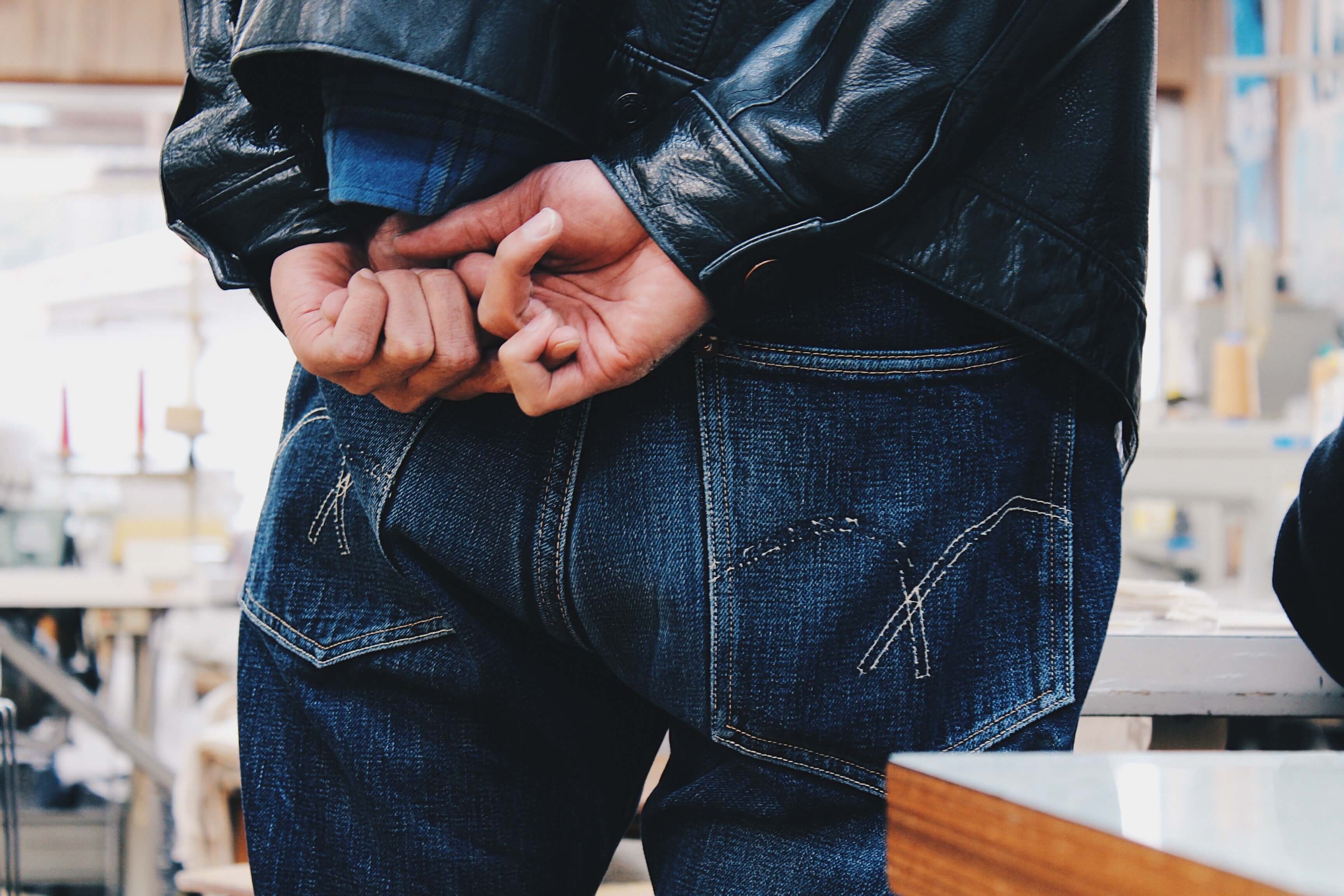
Japanese Selvedge Denim
50 items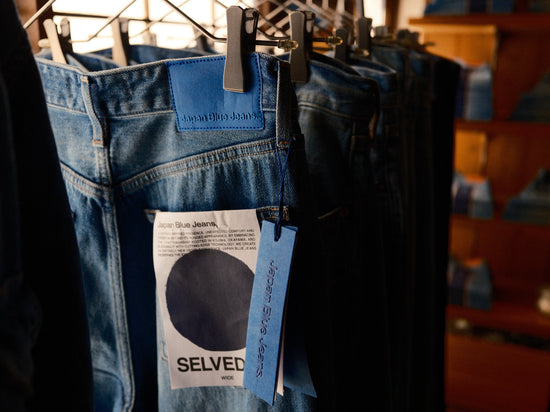
Japan Blue Jeans
45 items
TCB Jeans
29 items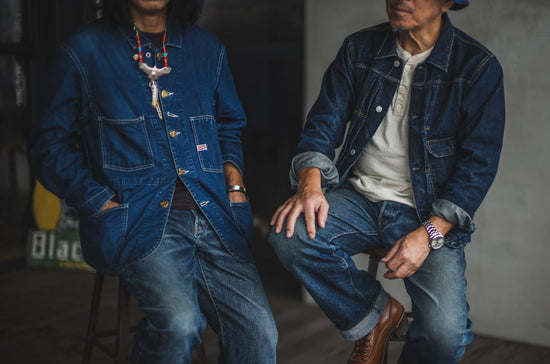
Iron Heart
10 items
Godspeed
22 items
Wearmasters
33 items


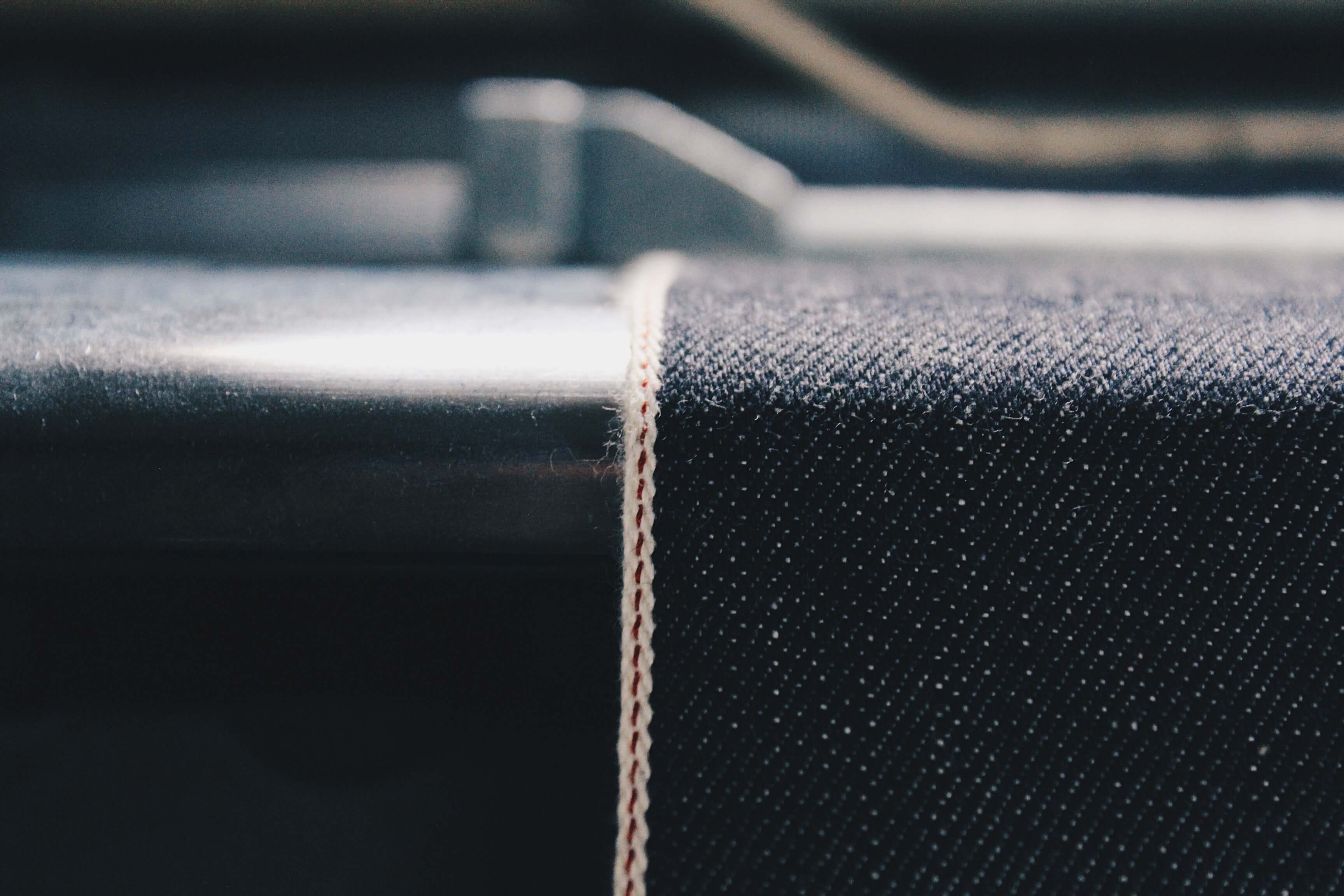


Japanese denim refers to denim fabric and jeans produced in Japan using specialist weaving techniques, rope dyed yarn and small batch manufacturing. It is defined less by geography and more by process. Many Japanese mills operate shuttle looms at lower speeds, develop proprietary yarn and control indigo saturation carefully. The result is fabric that prioritises long term structure and character over short term comfort or stretch.
Japanese denim earned its reputation through consistency and technical discipline. Mills maintained shuttle loom production long after other countries modernised. Brands studied mid twentieth century American jeans in detail and then refined them through improved tension control, yarn development and dye precision. The term “best” is subjective, but Japan has maintained one of the highest concentrations of specialist denim mills in the world.
No. Selvedge refers to the self finished edge produced by shuttle looms. While much respected Japanese denim is selvedge, the defining characteristic of Japanese denim is production philosophy and mill quality rather than the edge alone. There is high quality non selvedge Japanese denim and there is low quality selvedge globally. The loom is only part of the equation.
Many Japanese fabrics use rope dyed yarn where indigo coats the exterior of the fibre while leaving the core lighter. Combined with irregular slub yarn and low tension weaving, this creates high contrast fading over time. The fade is engineered into the fabric structure. It is not a surface treatment or artificial wash.
Pure cotton Japanese denim will stretch slightly at stress points with wear, particularly at the waist and thighs. Unsanforized denim will shrink when first soaked or washed. Sanforized denim has been mechanically pre shrunk to reduce this effect. Because most Japanese denim avoids synthetic stretch fibres, its behaviour is predictable and stable over time.
Japanese denim costs more because it is slower and smaller in scale. Shuttle looms produce fabric at a fraction of modern industrial speed. Mills often weave limited yardage runs for specific brands. Yarn development, repeated indigo dipping and domestic manufacturing increase labour input. The price reflects production constraints rather than branding alone.
For long term wearers, often yes. A well constructed pair can last for years, can be repaired cleanly and develops character rather than deteriorating. When measured by cost per wear over five or more years, Japanese denim frequently compares favourably to cheaper jeans that rely on stretch fibres and require earlier replacement.
Denim weight is measured in ounces per square yard and refers to fabric mass, not quality. Lighter weights around 12 to 14 ounces are versatile for year round wear. Heavier fabrics above 18 ounces offer greater structure and slower break in. The correct weight depends on climate, comfort preference and how much structure you want from the fabric.
Respected brands tend to demonstrate genuine fabric development and consistent construction standards. Names such as Iron Heart, Fullcount, TCB, Japan Blue Jeans, Samurai, Momotaro, Godspeed, Tanuki and The Strike Gold are known for distinct fabric approaches rather than logo driven releases. The best brand depends on your preference for weight, texture and fit rather than reputation alone.