
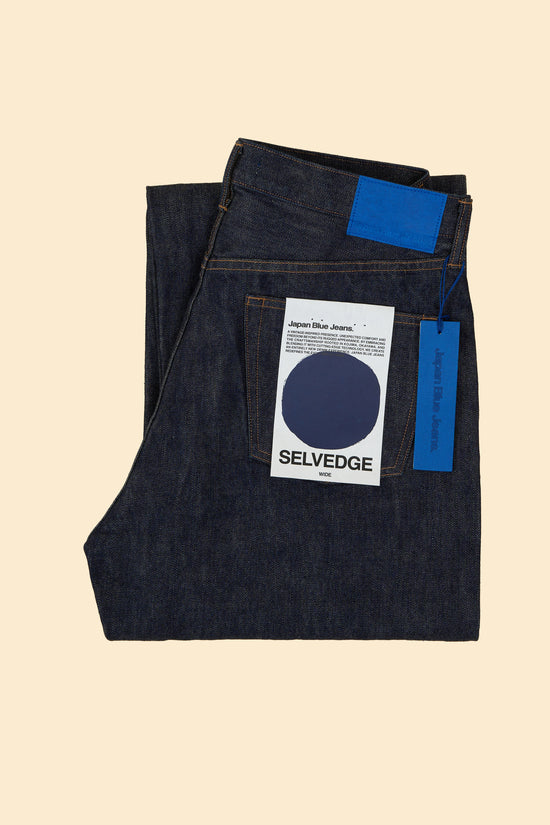
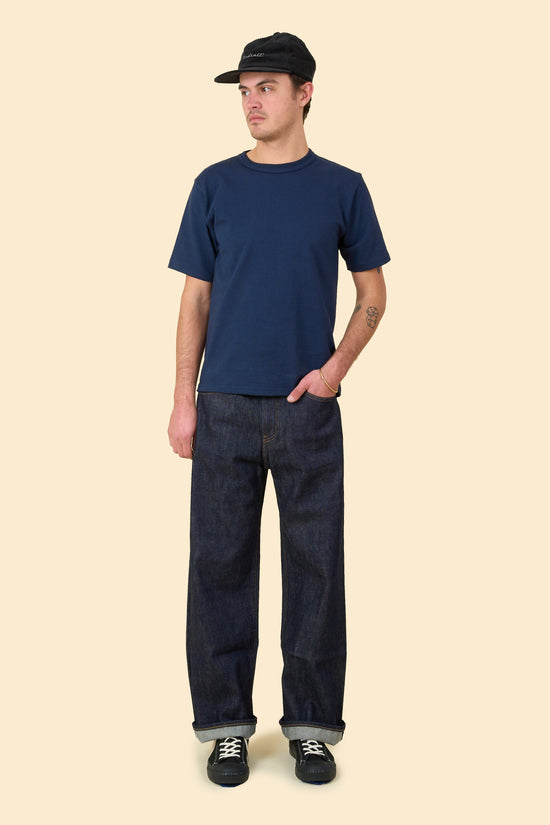
+ Wide Fit



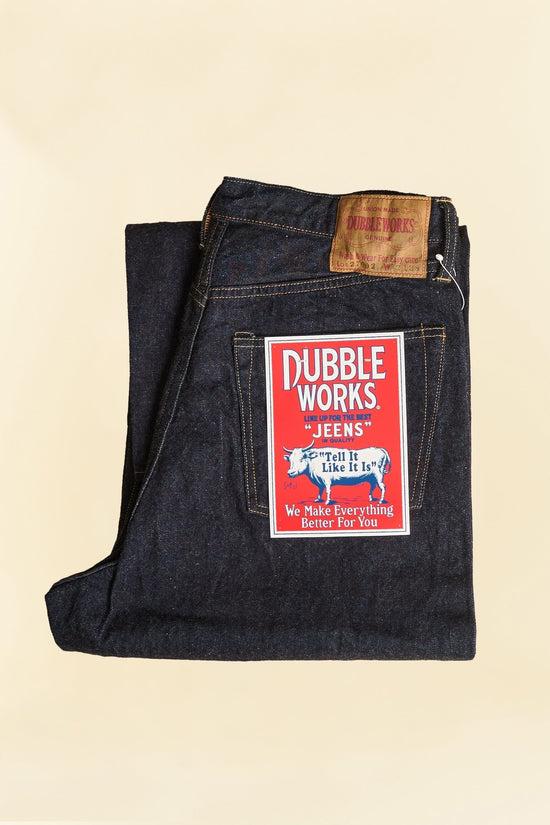
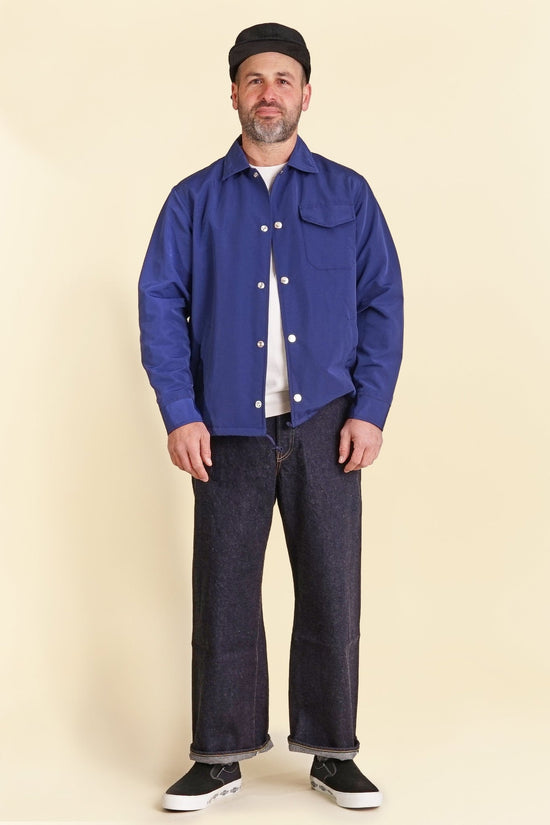
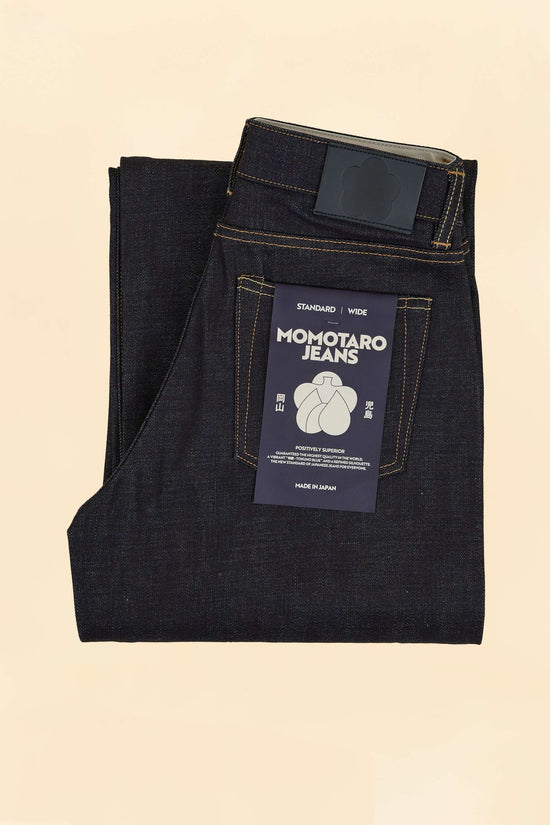
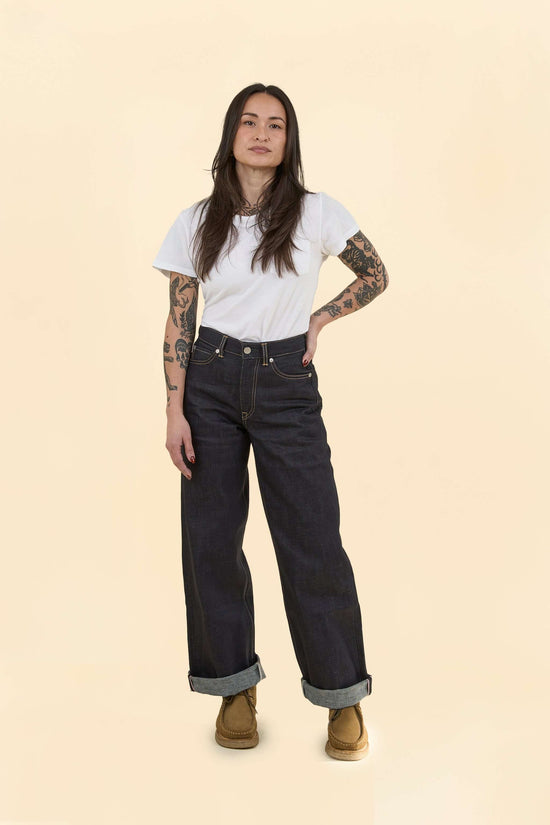
+ Straight Fit

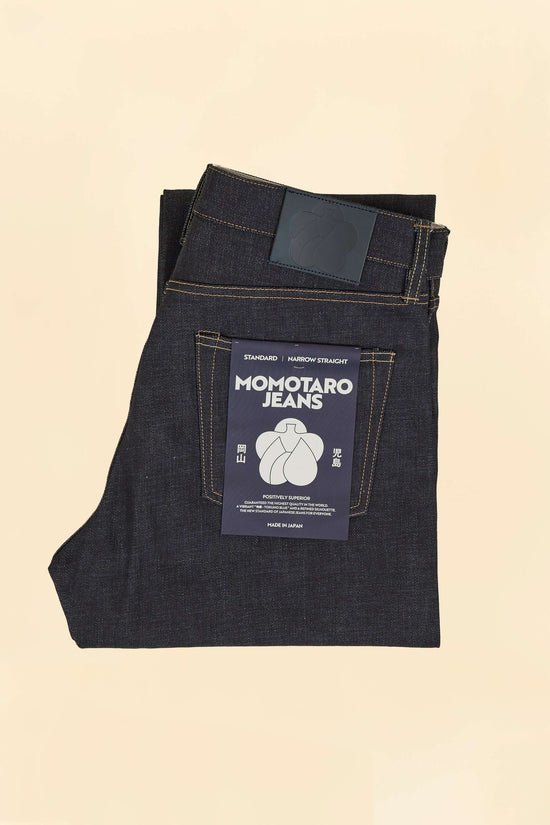
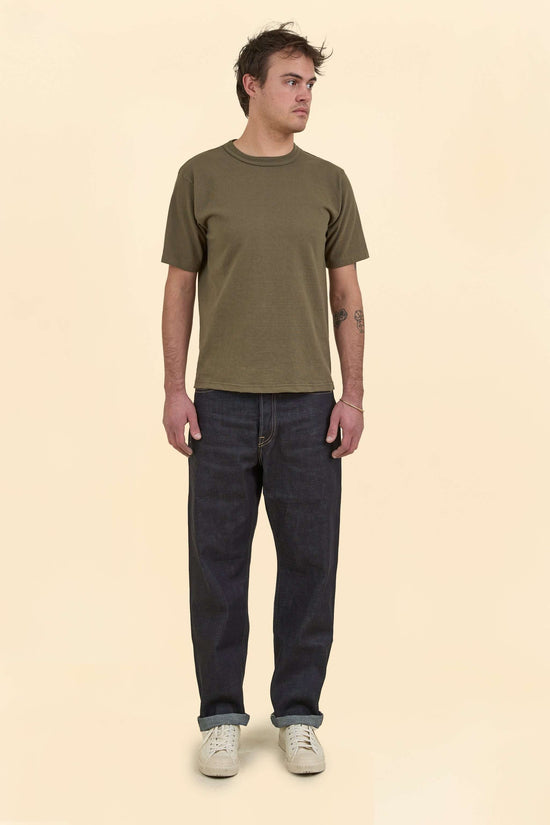
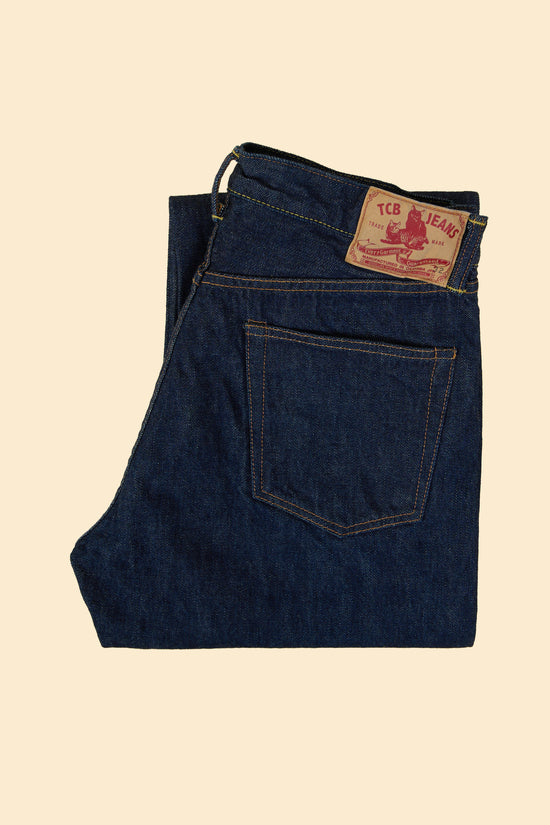
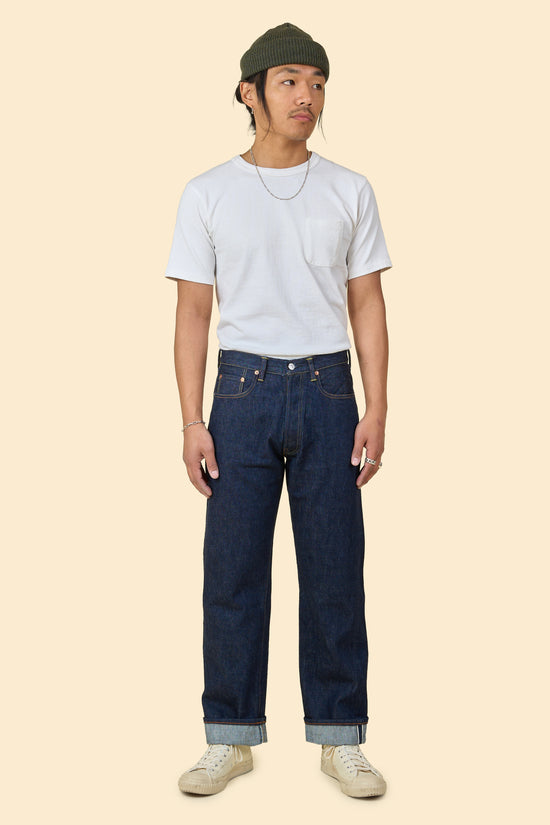

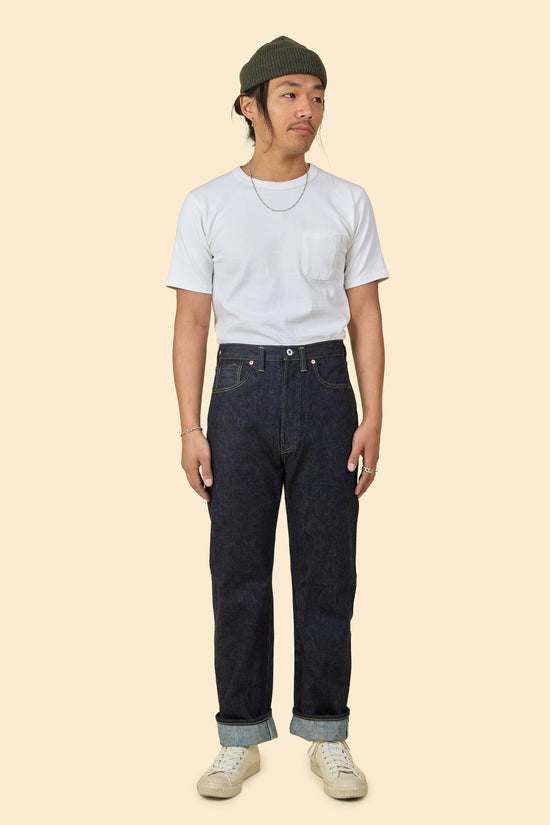
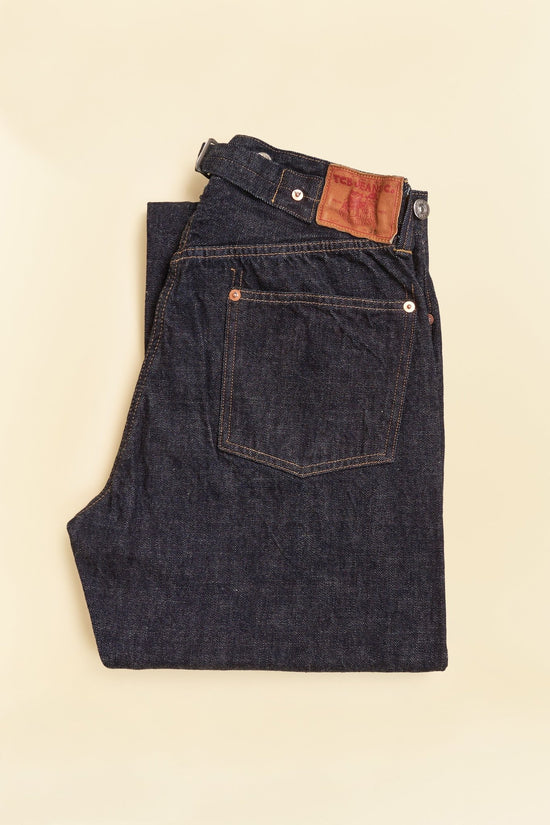




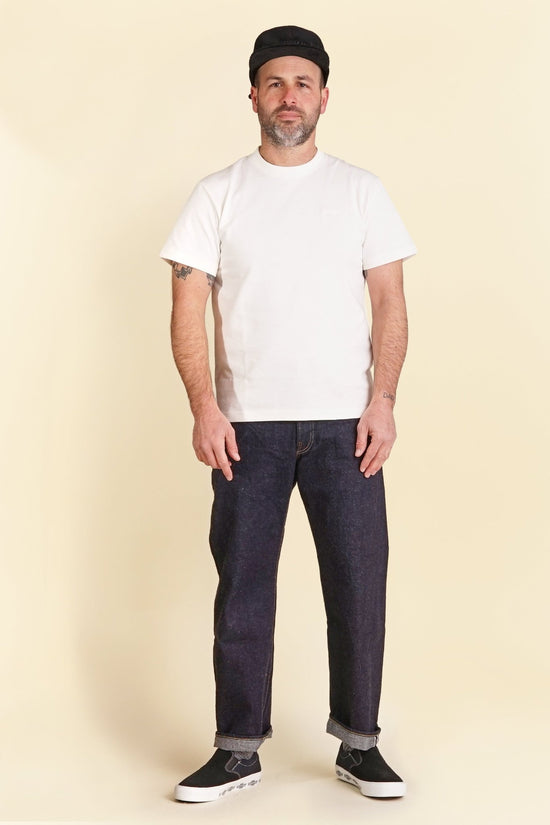
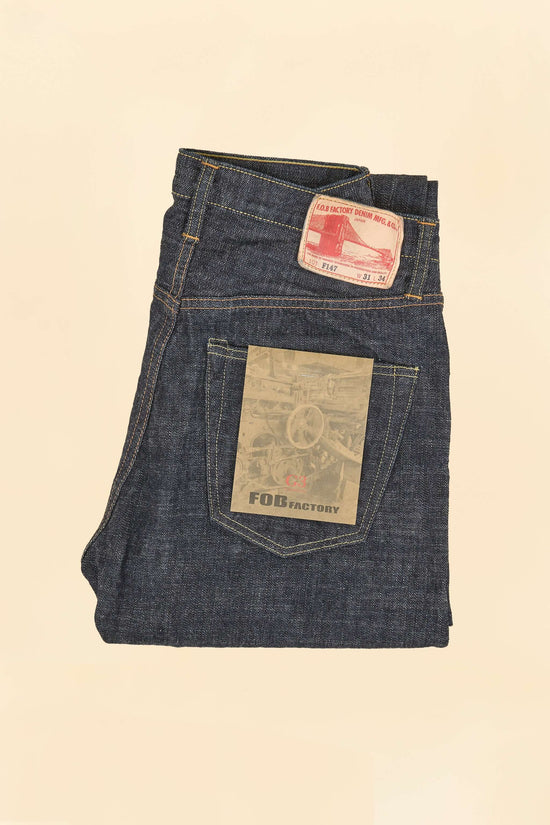
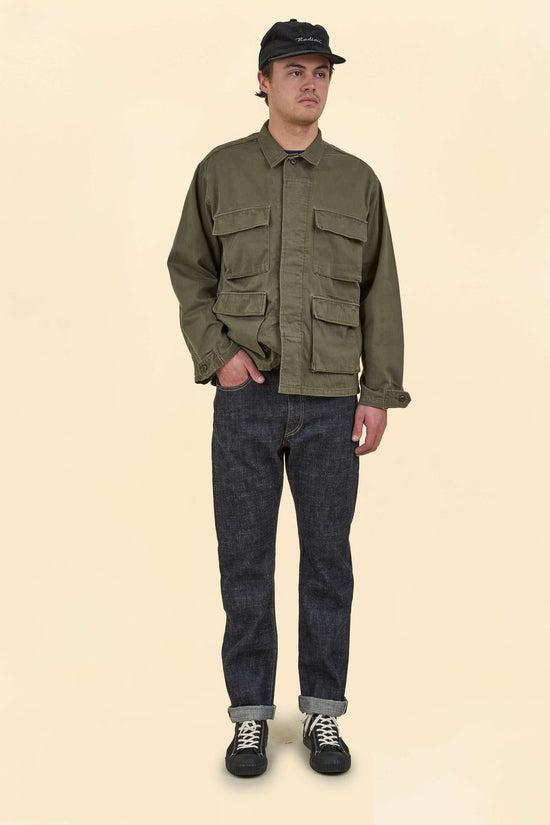
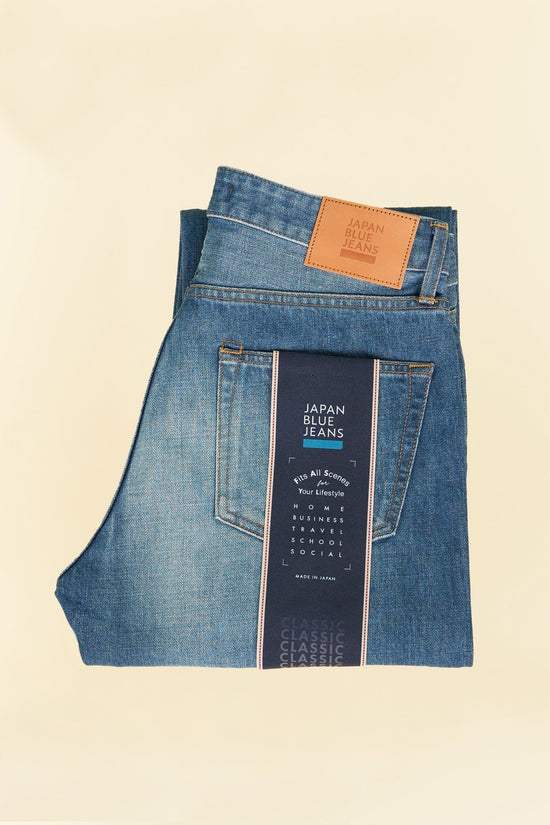

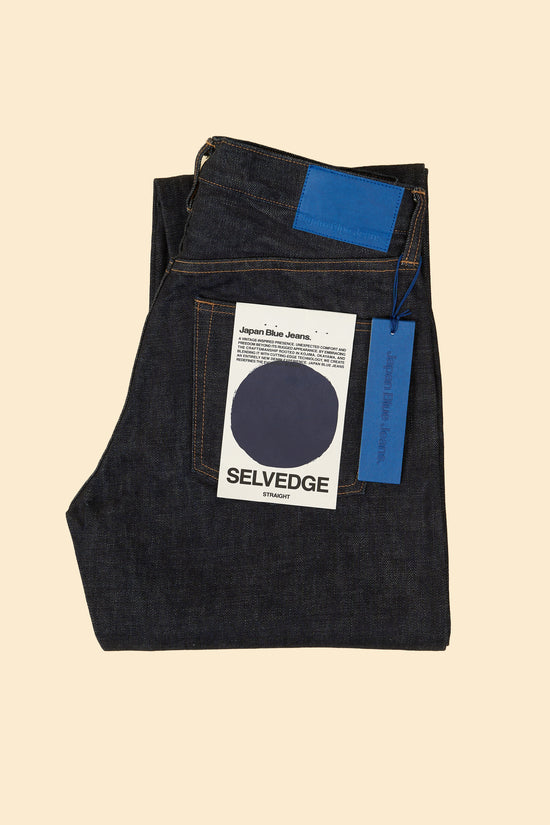
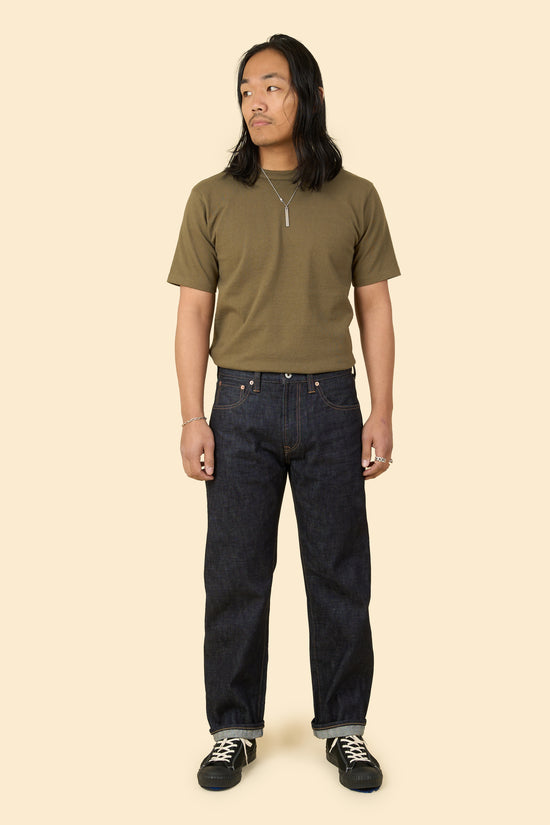
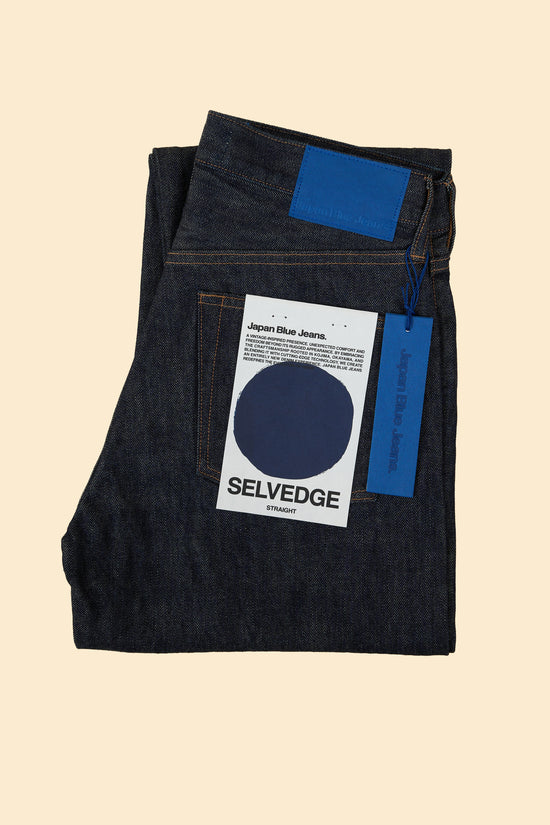
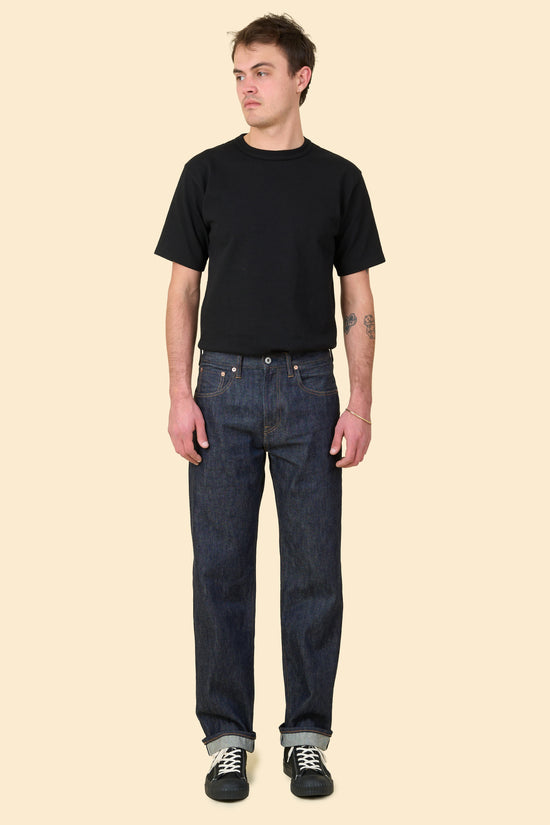
+ Tapered Fit


+ Frequently Asked Questions
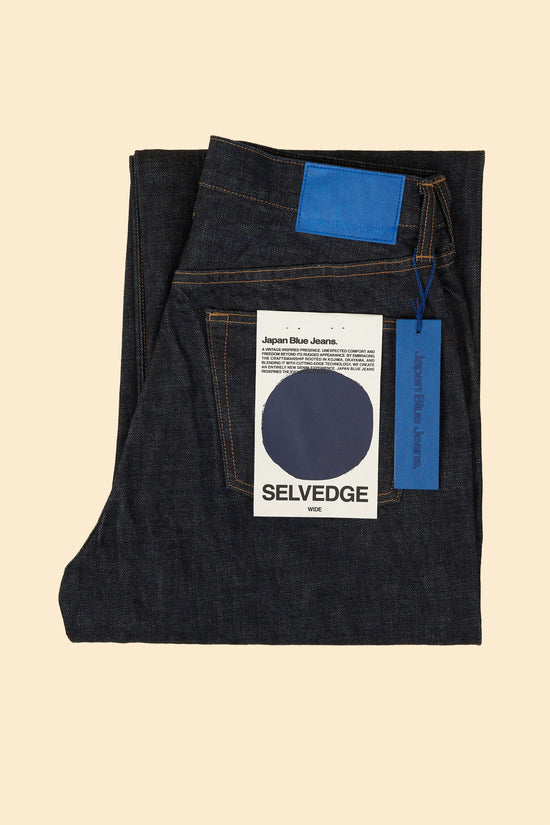
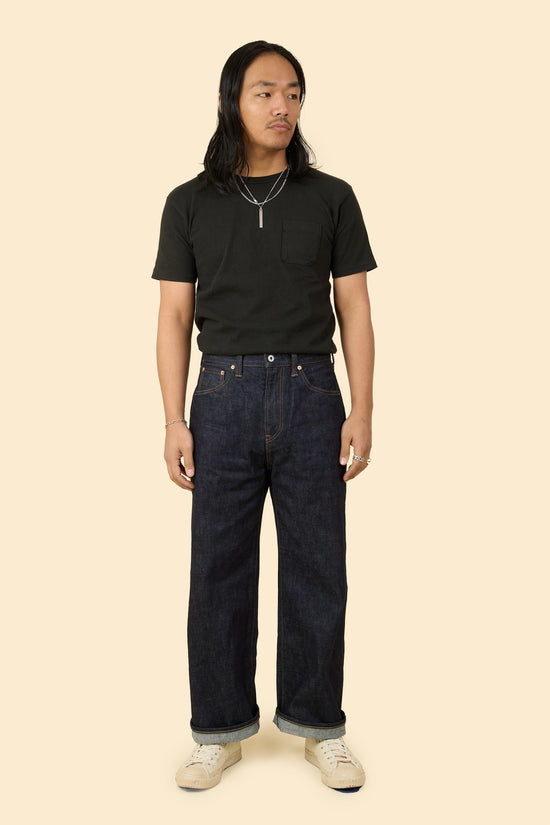
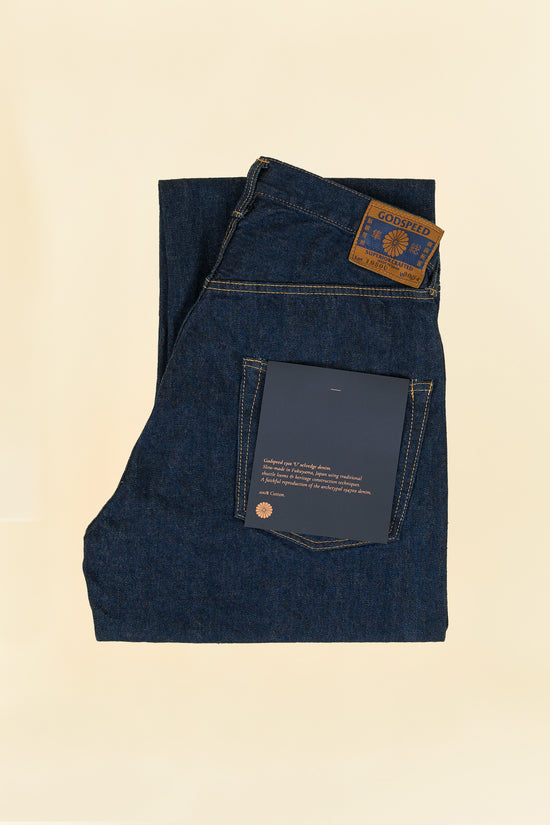
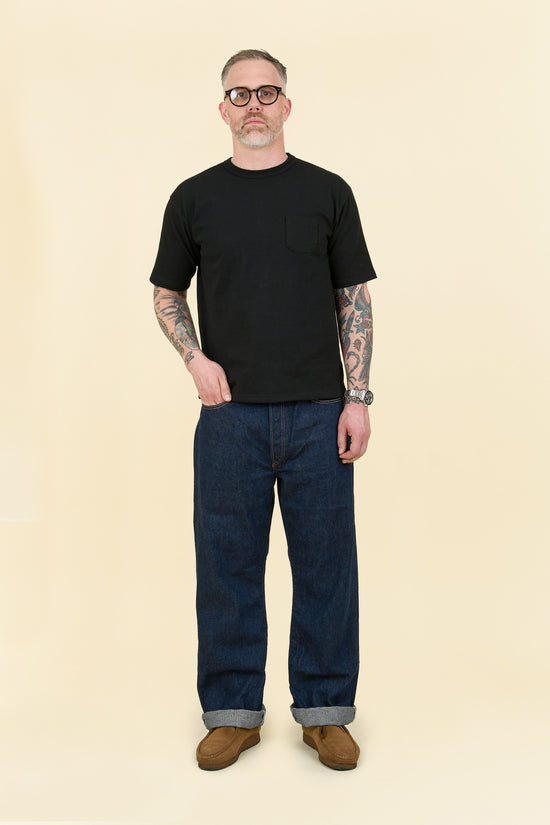
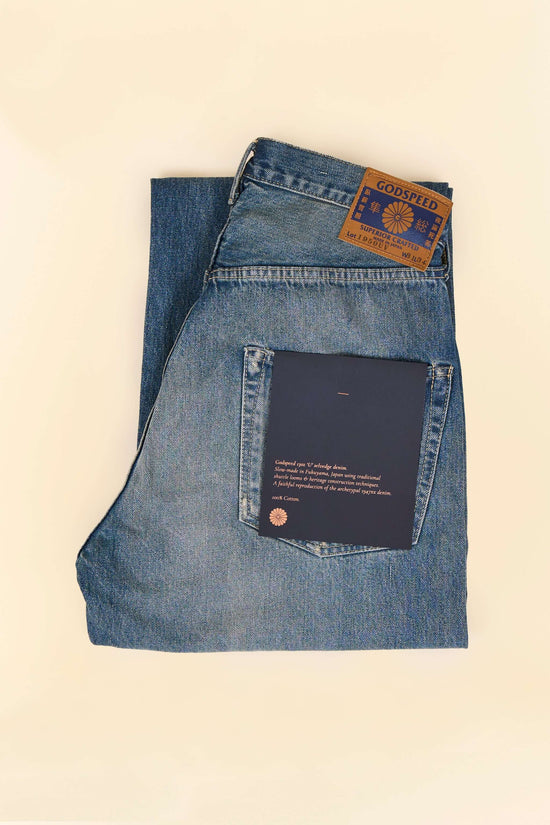
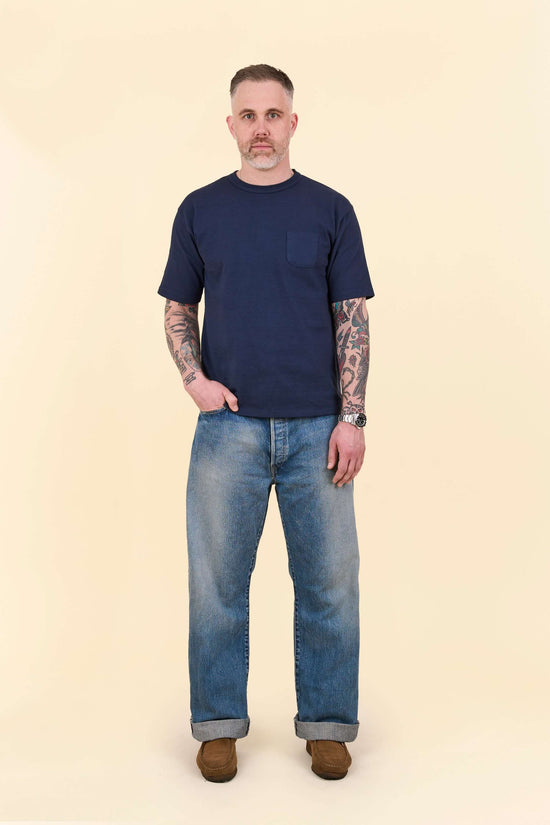
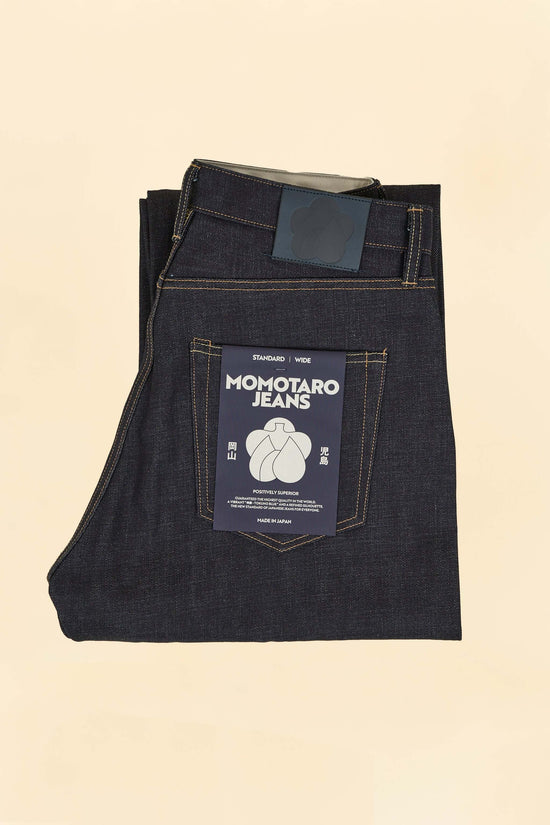
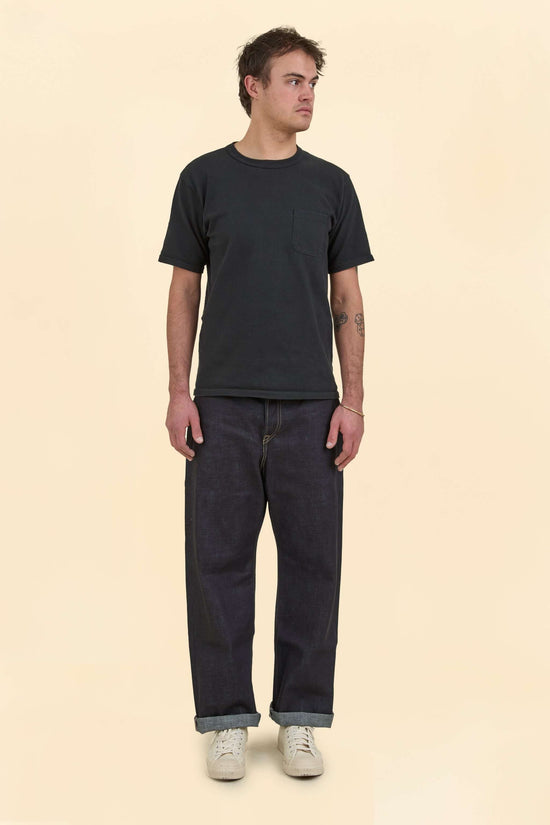
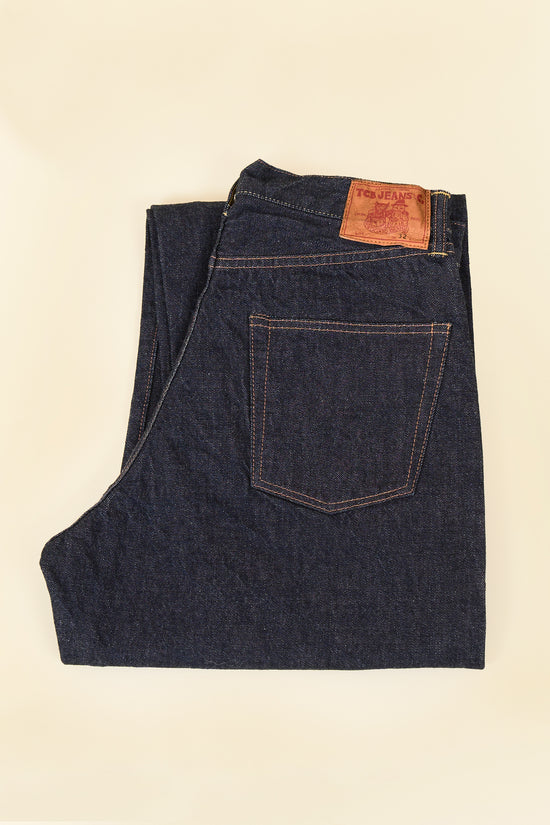
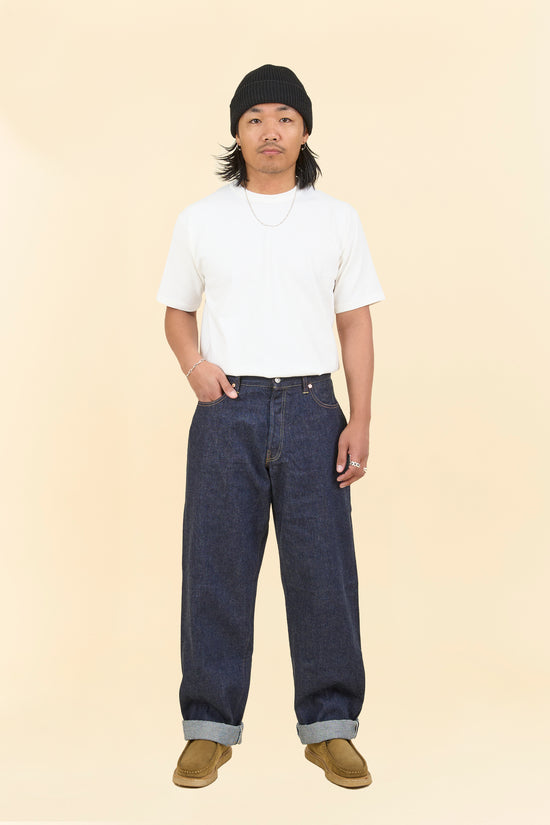
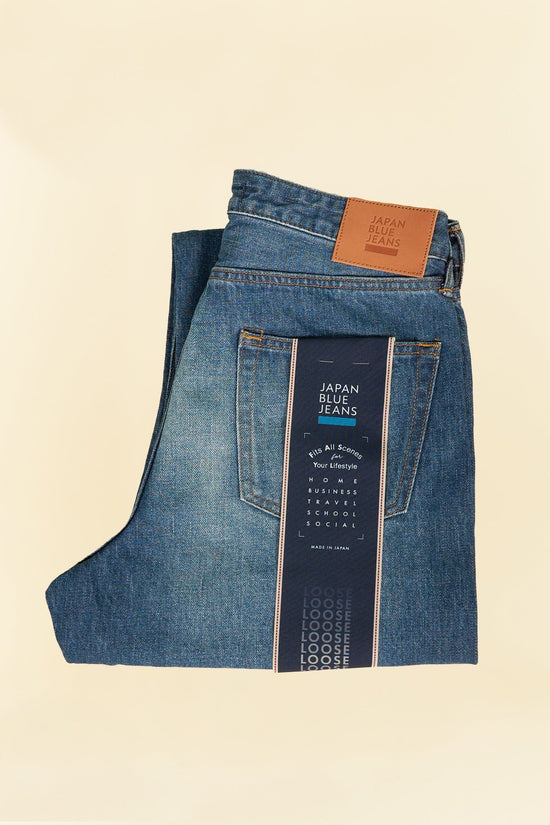
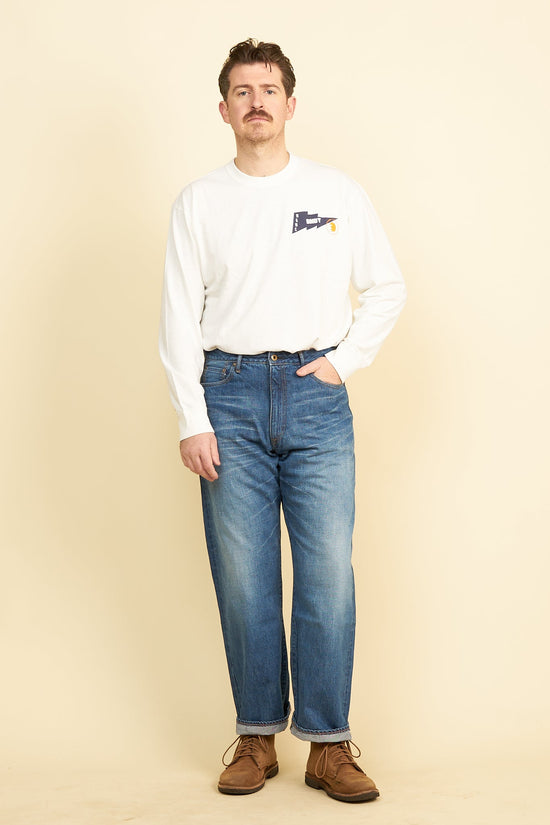
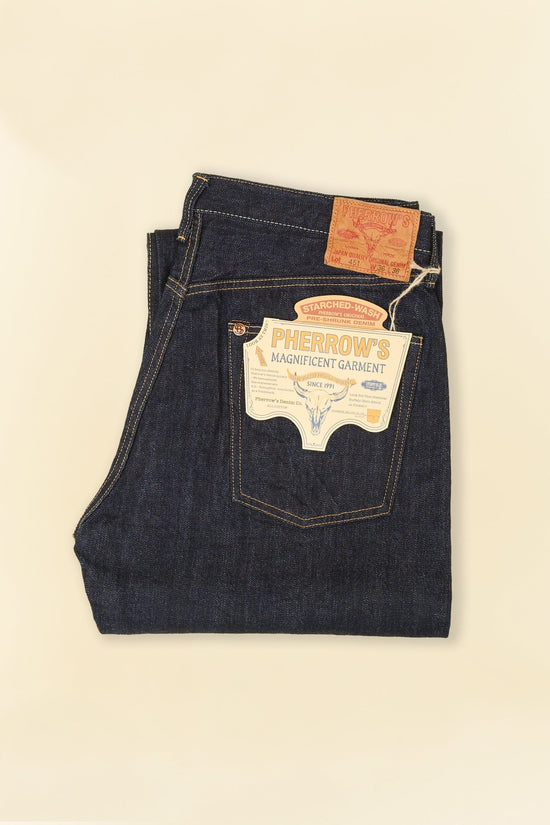
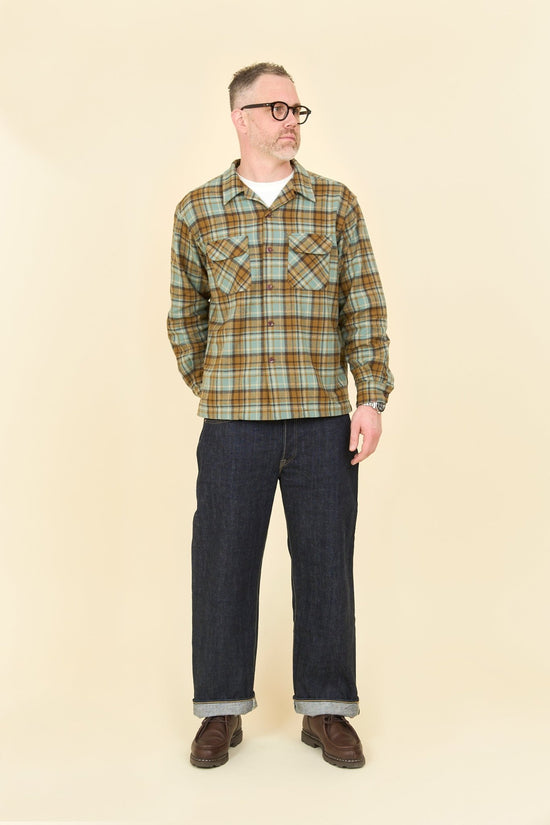
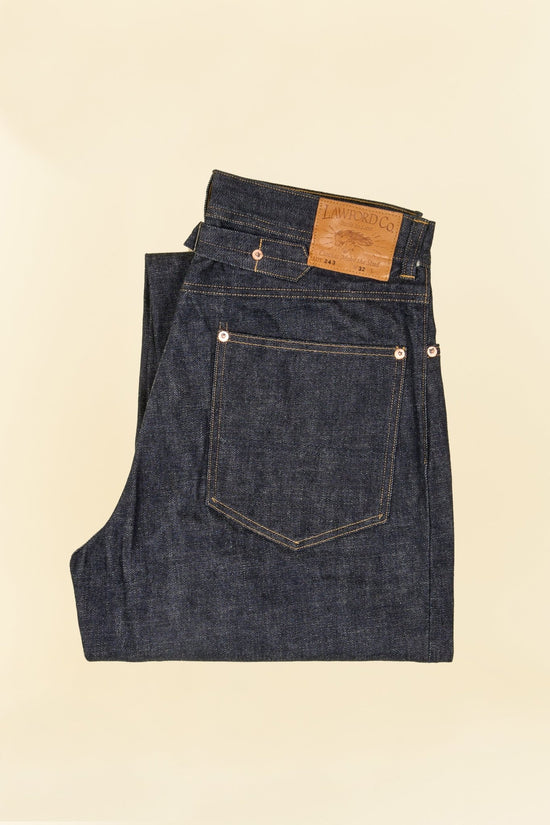
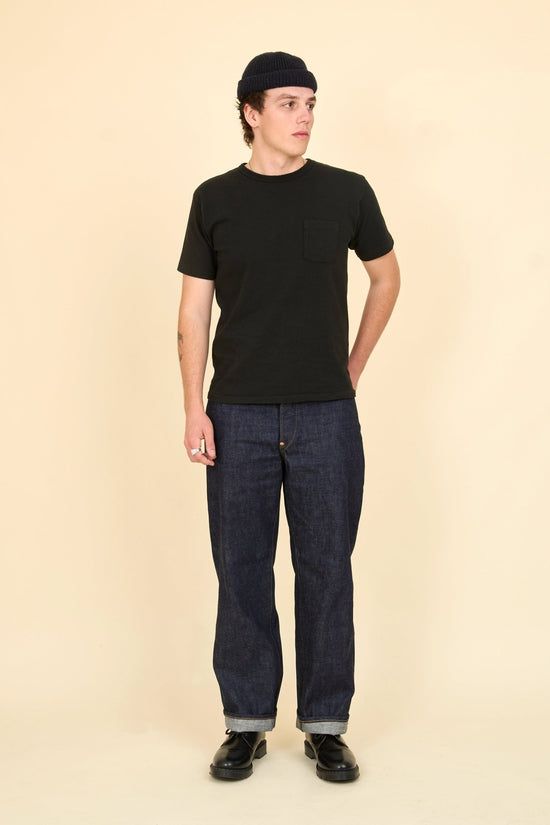
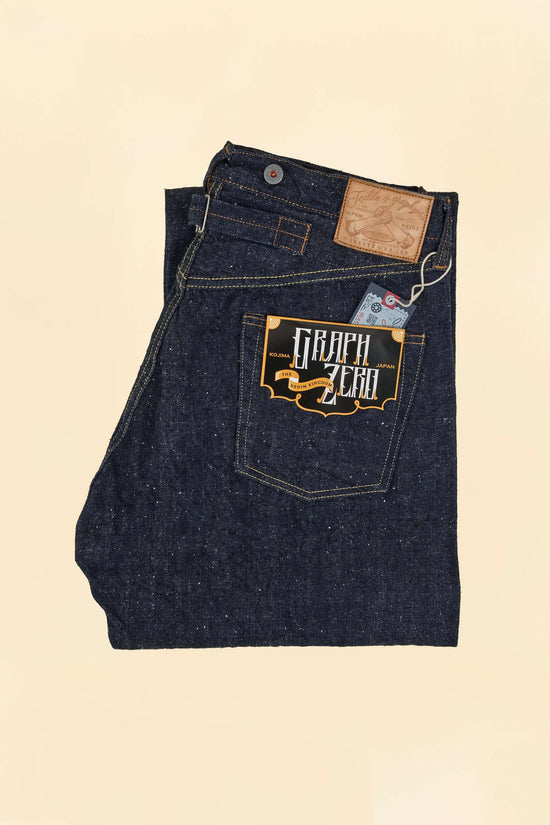
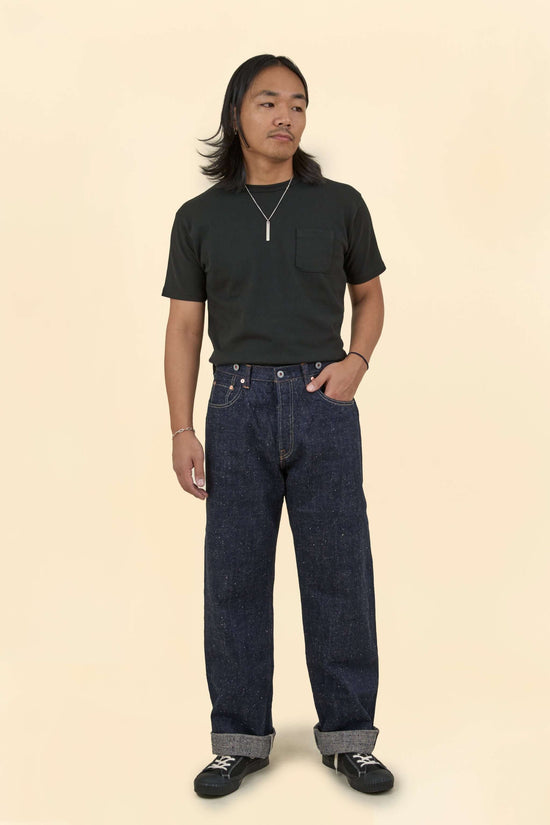
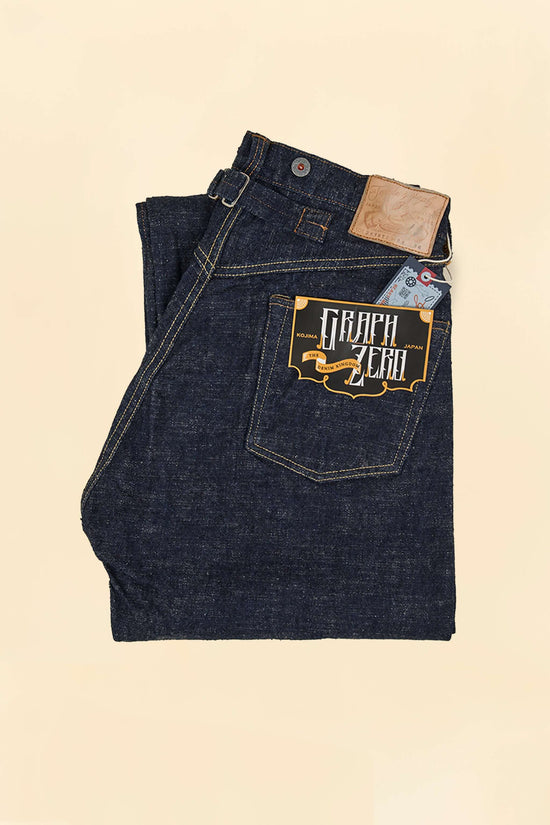
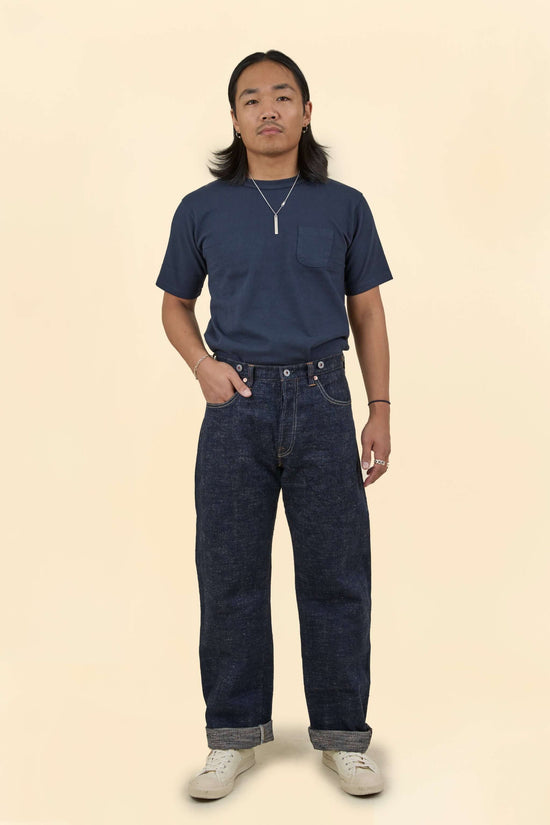
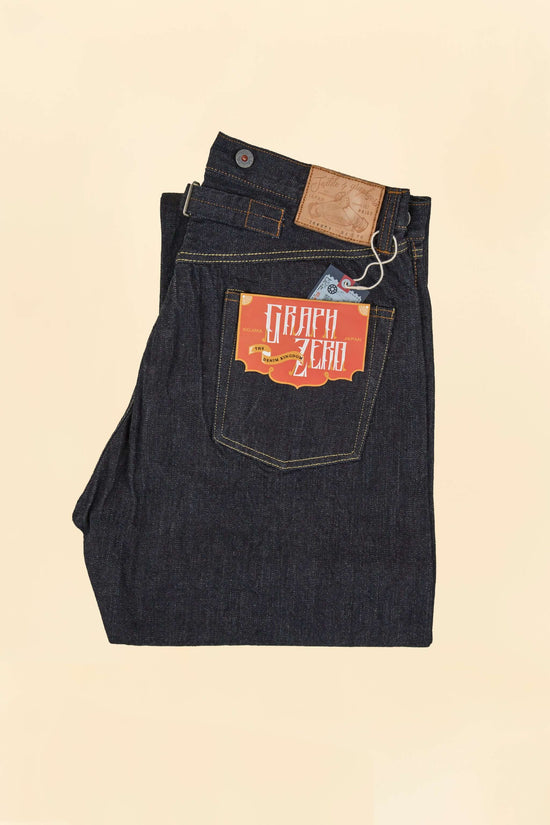
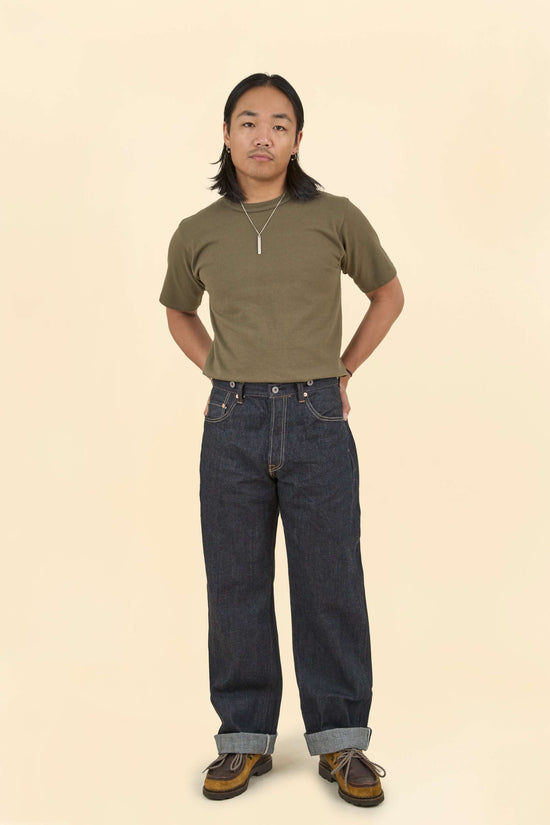
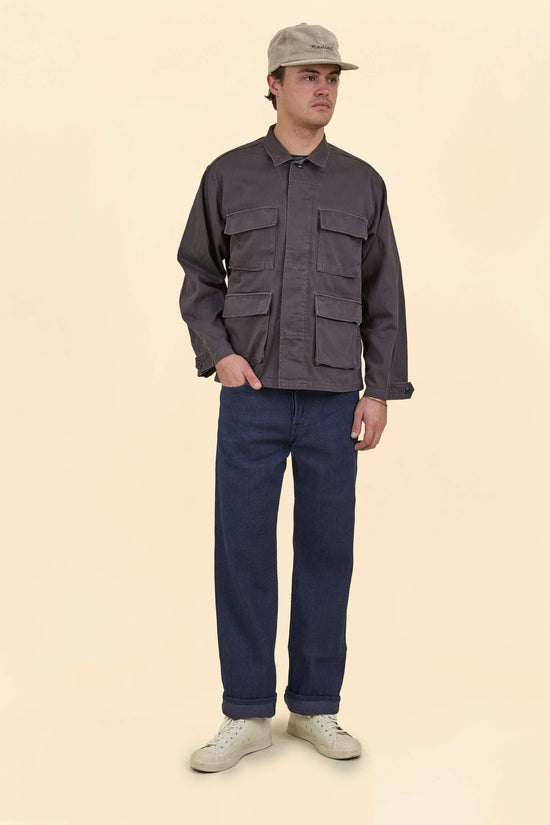
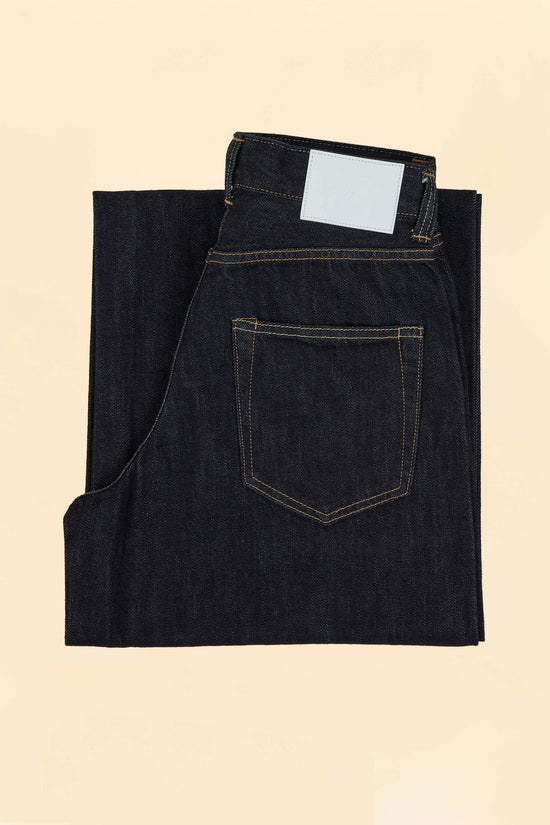
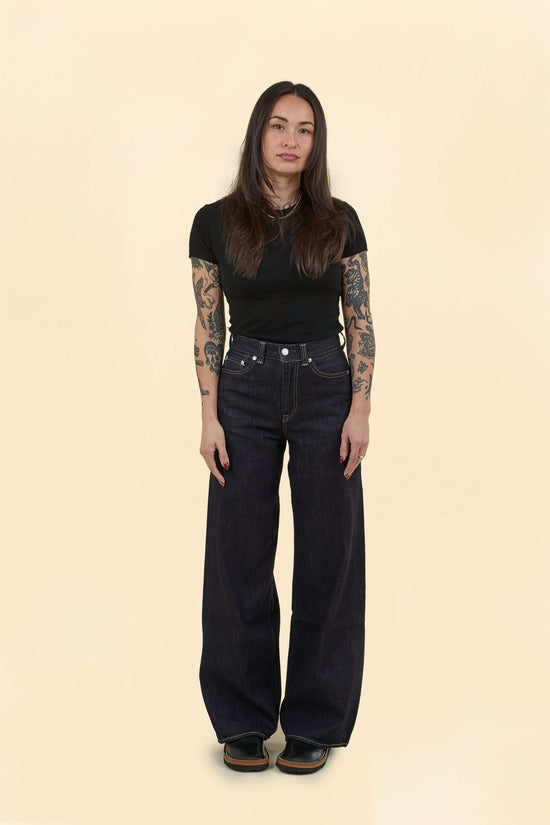
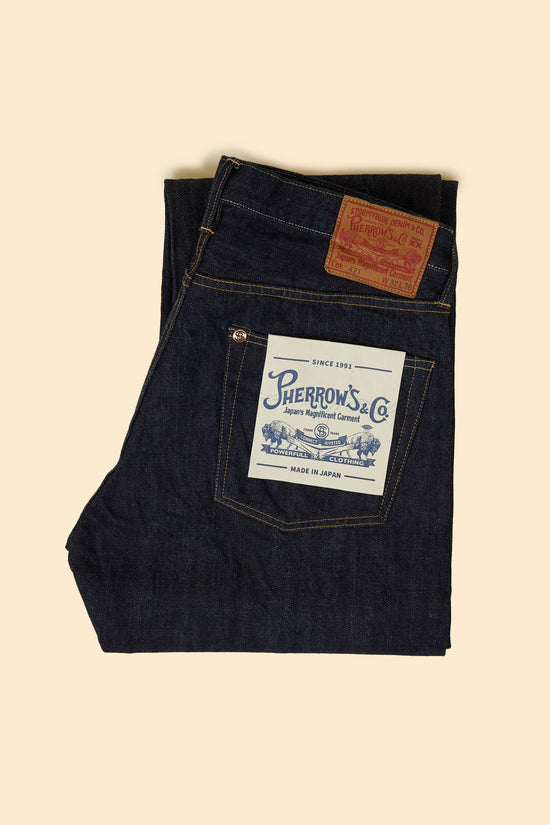
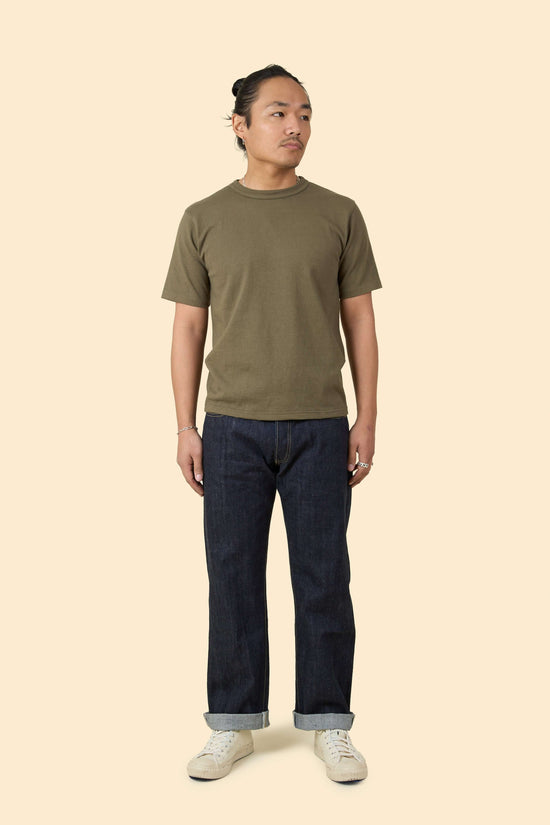
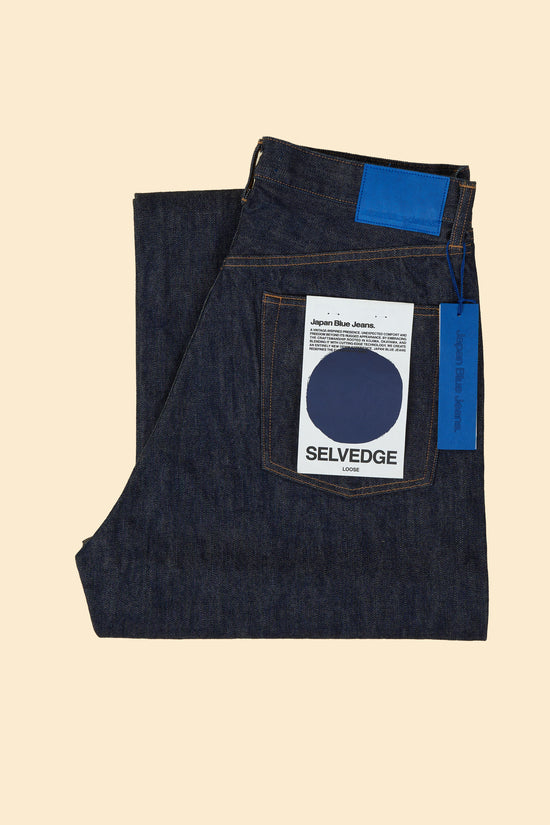
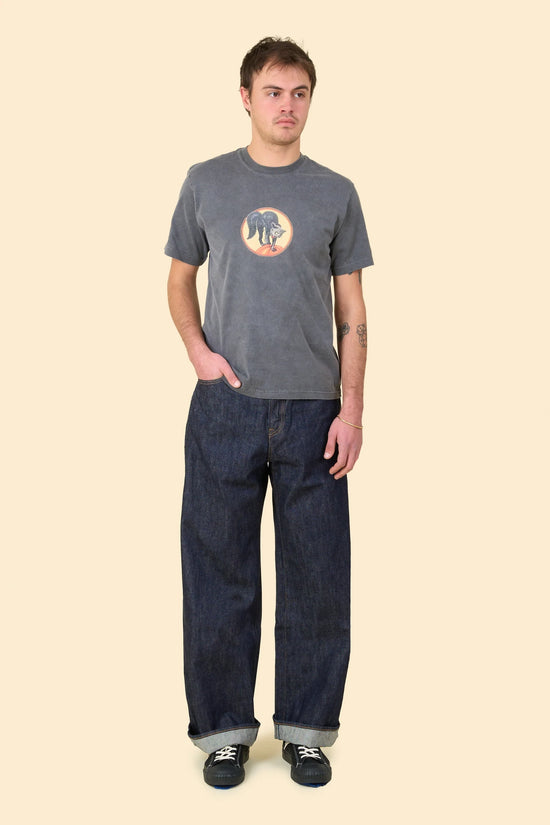
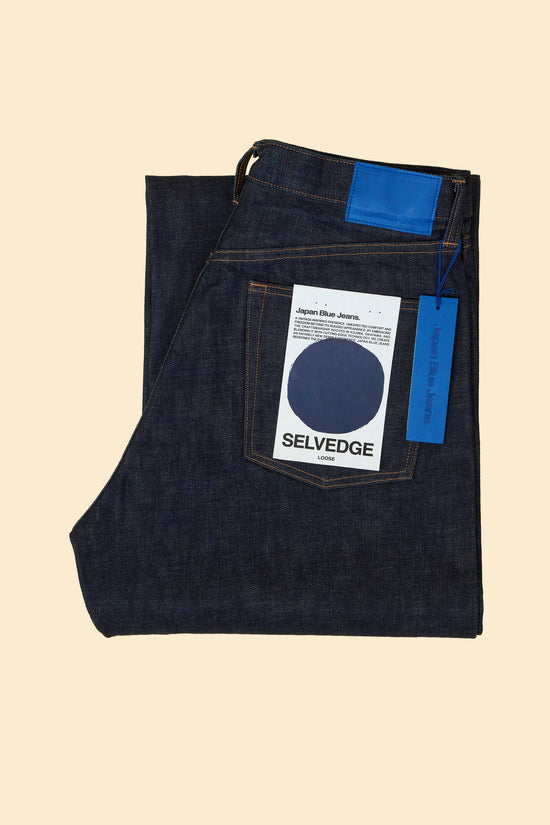
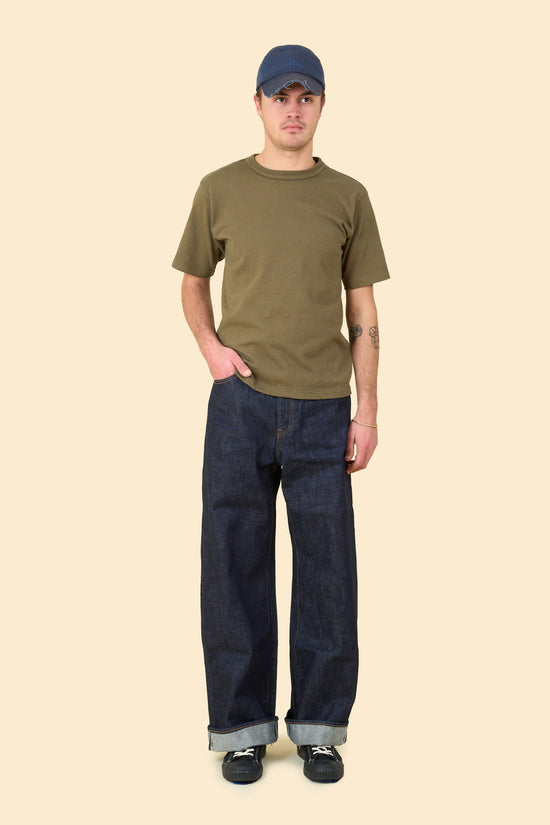
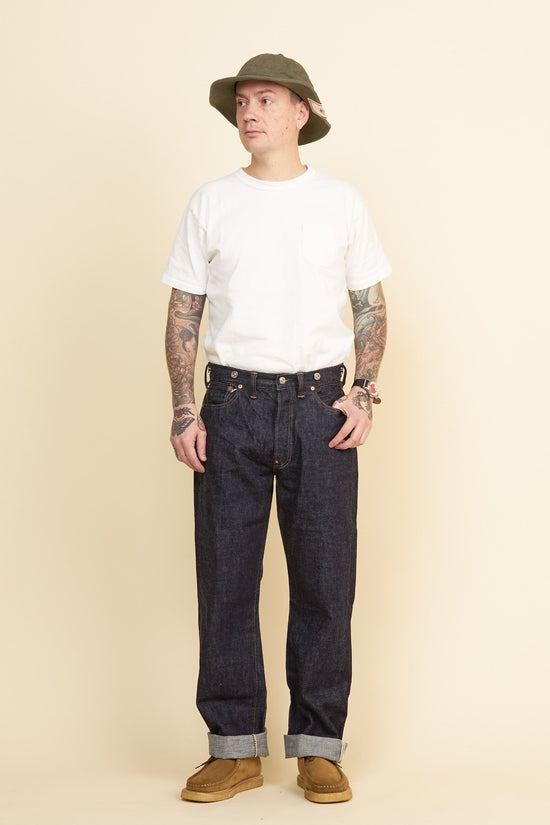
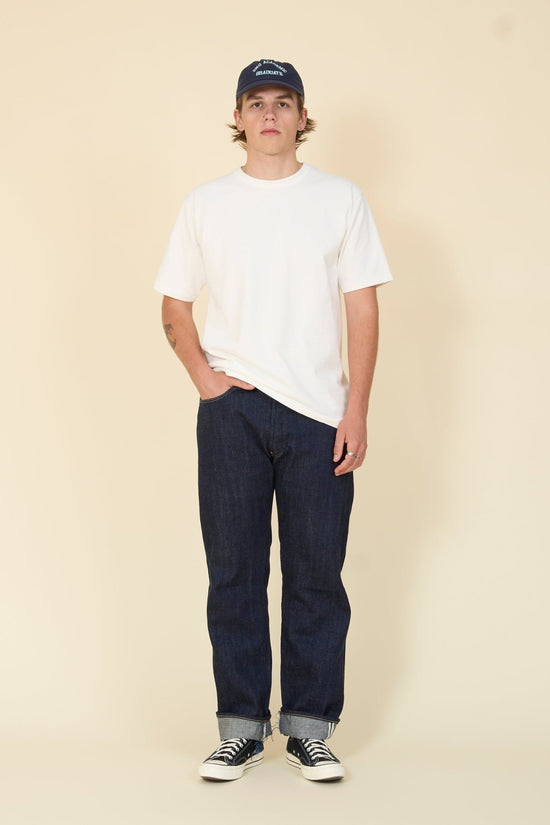
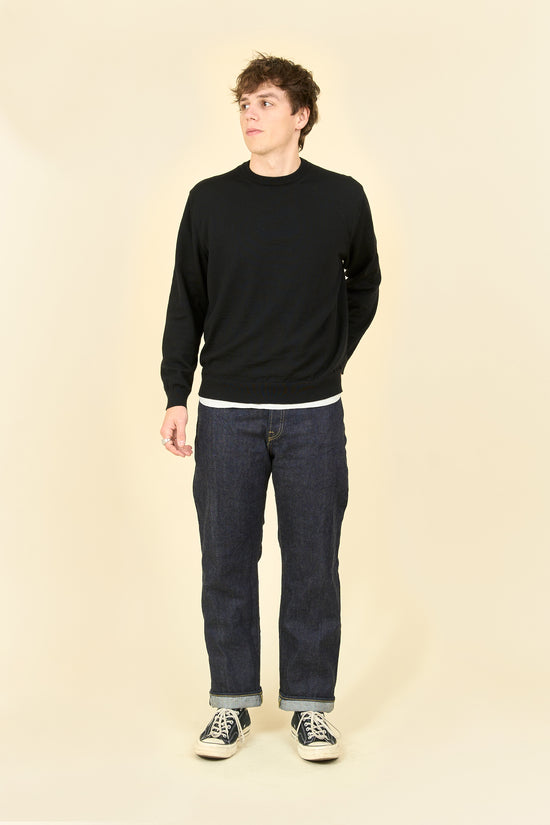
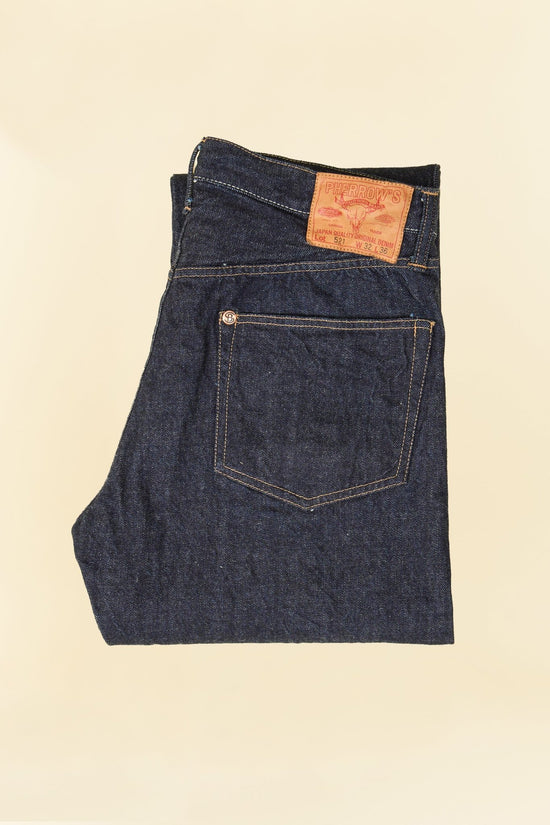
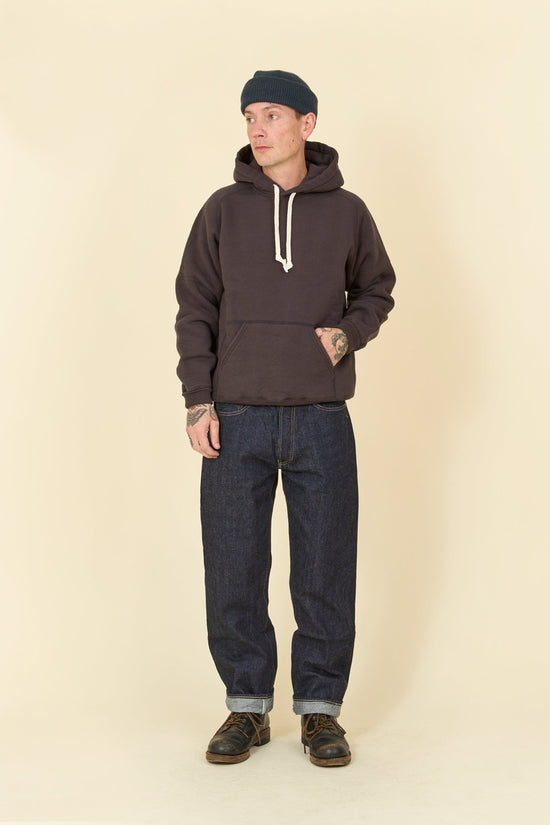
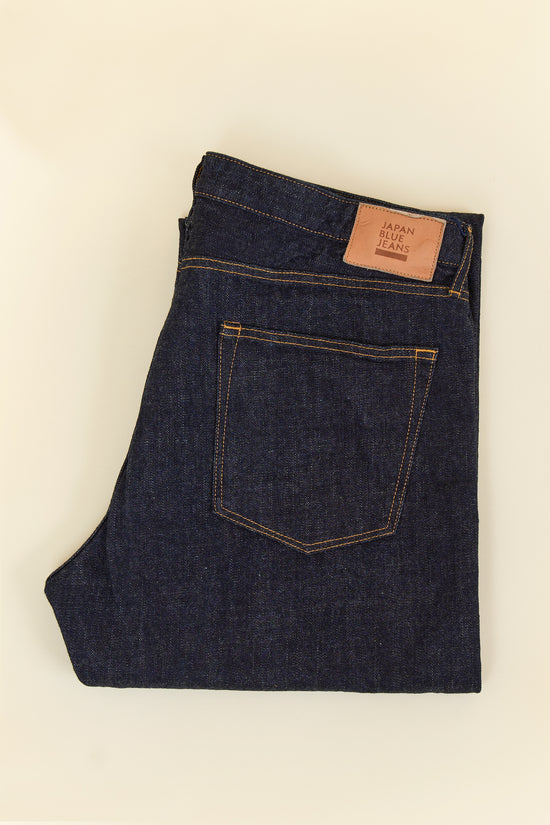
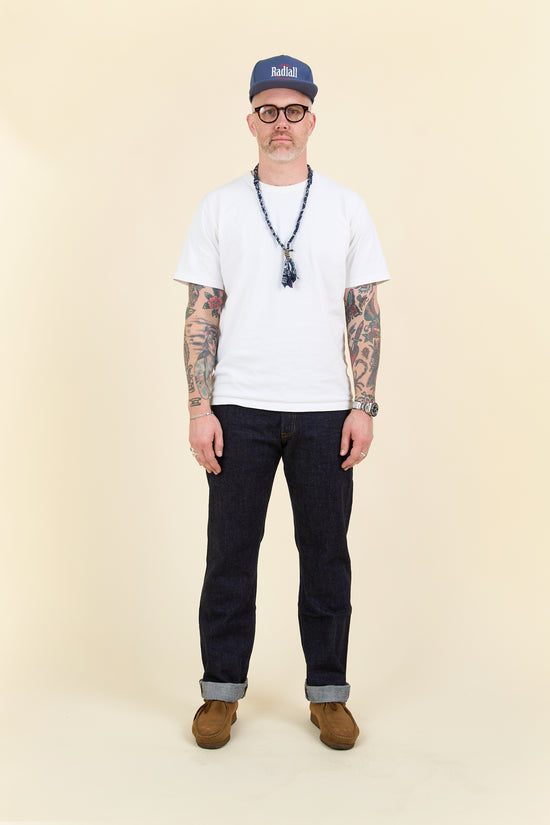
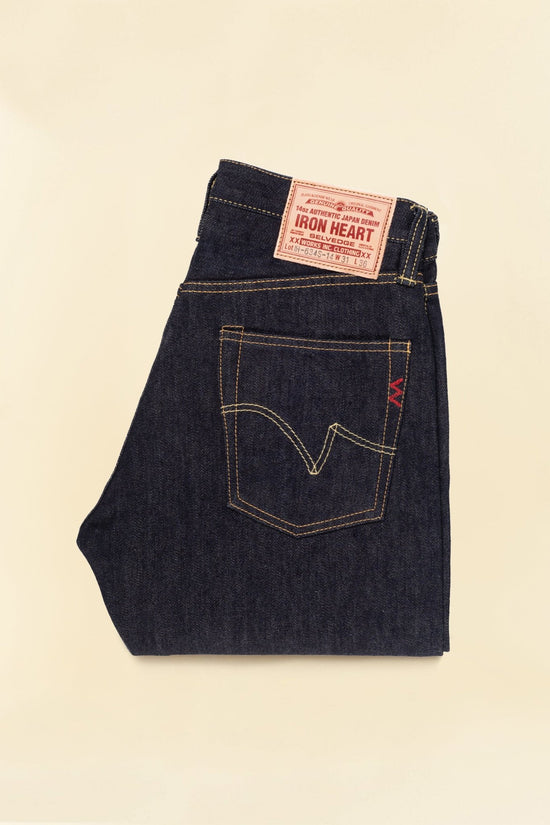
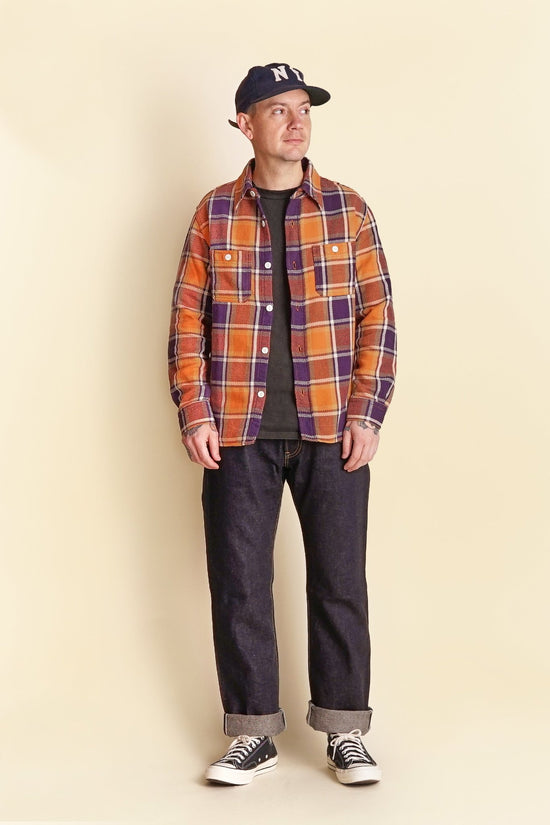
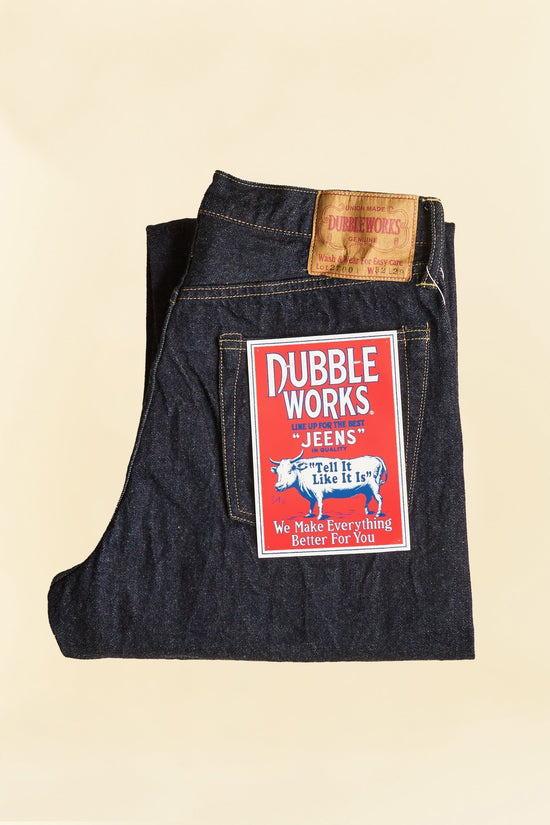
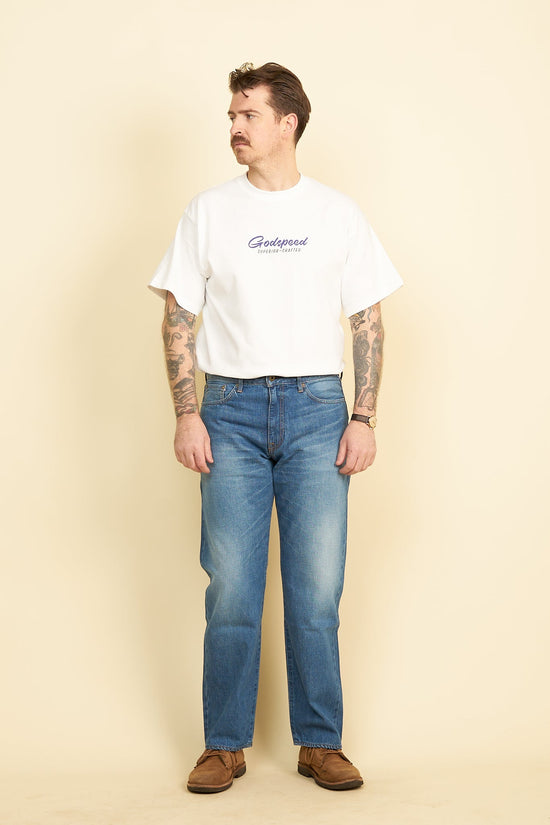
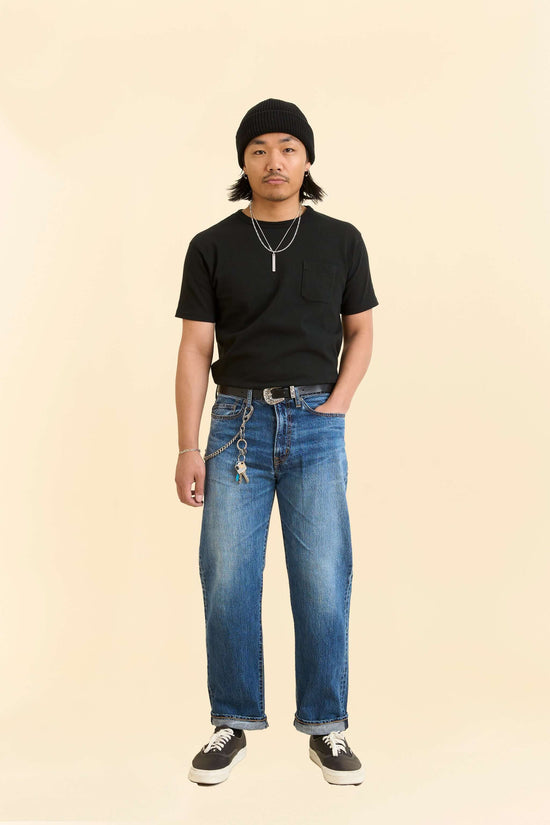
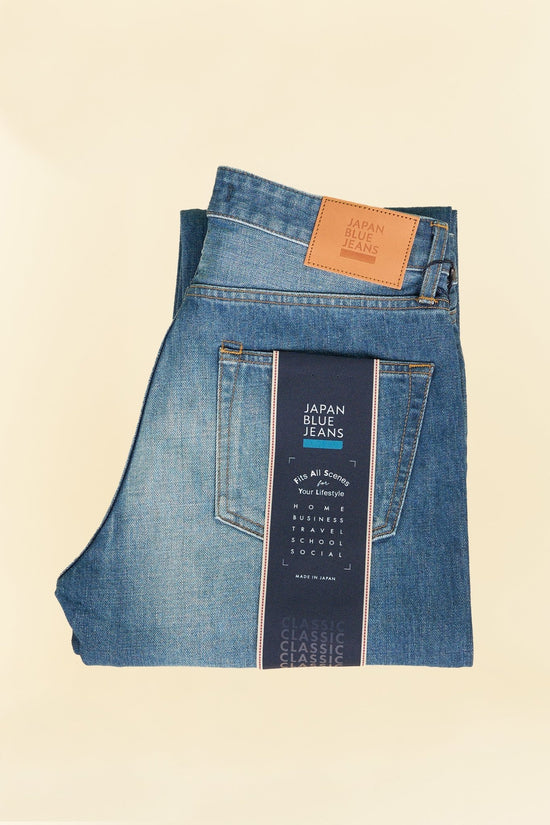
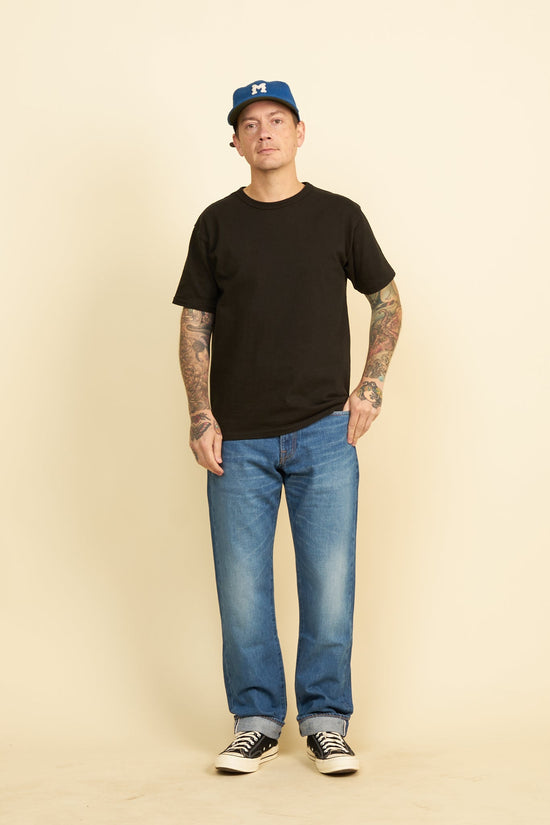
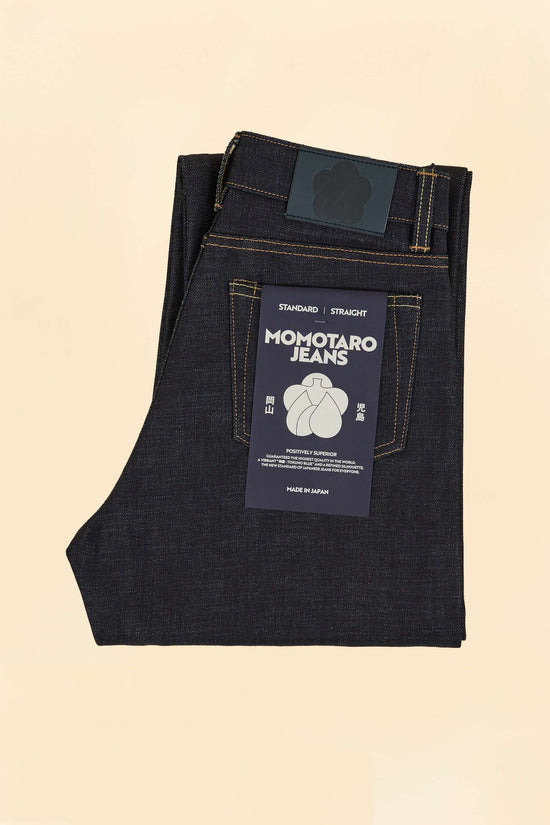
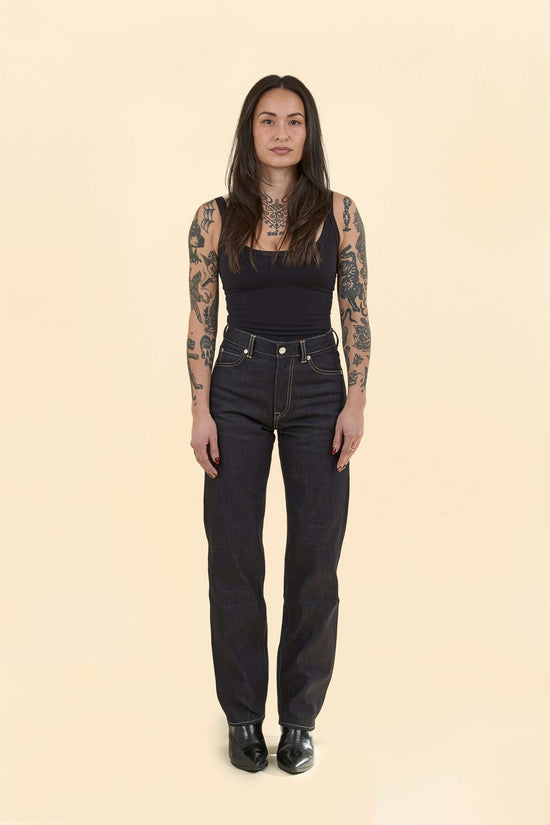
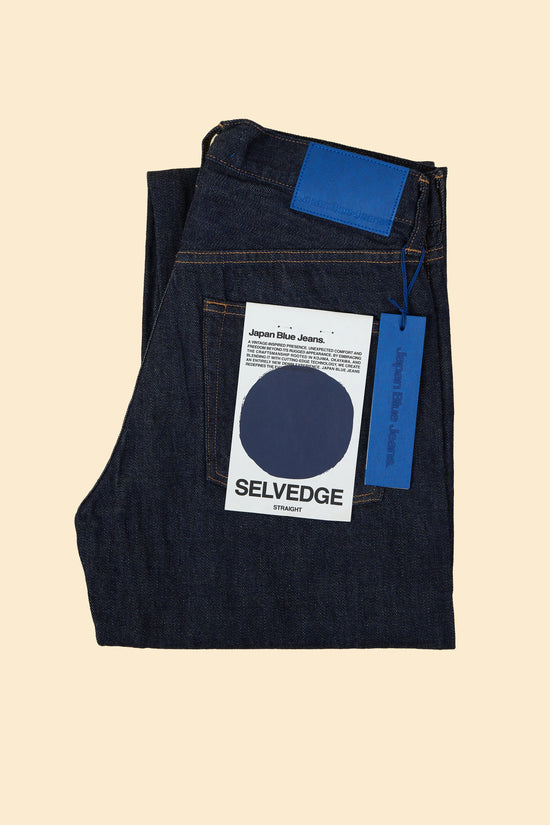
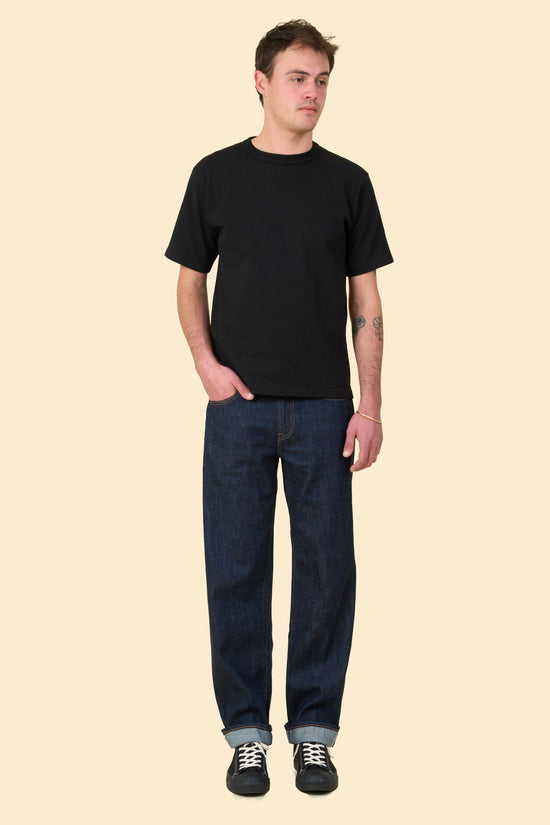
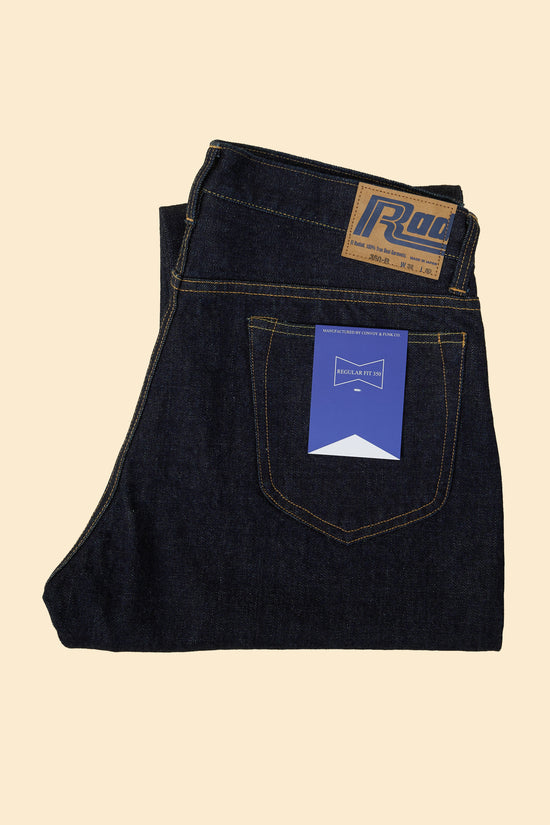
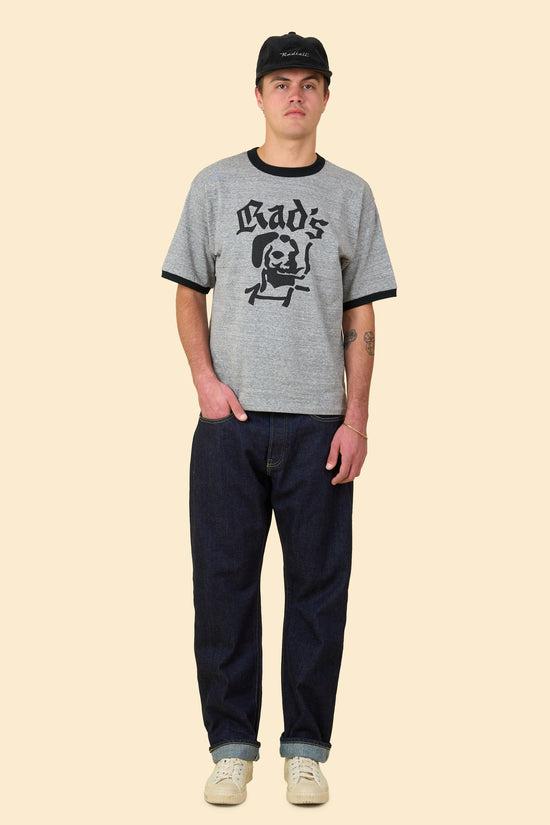
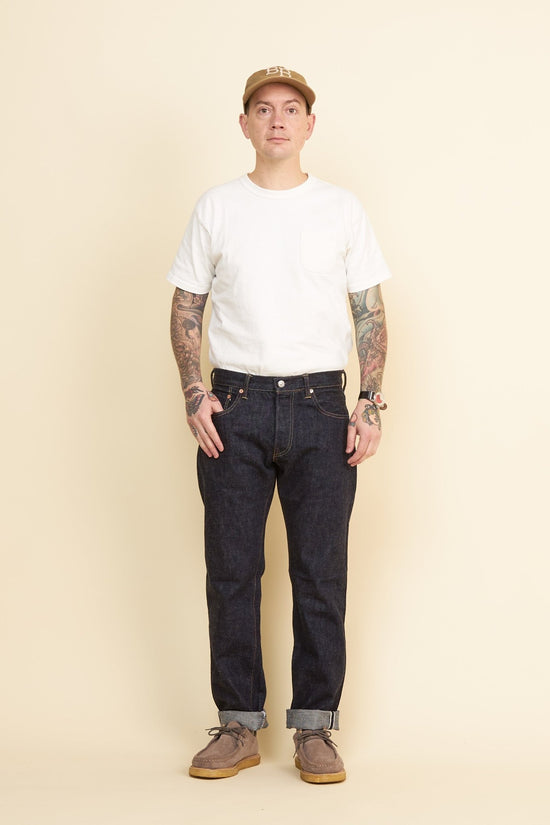
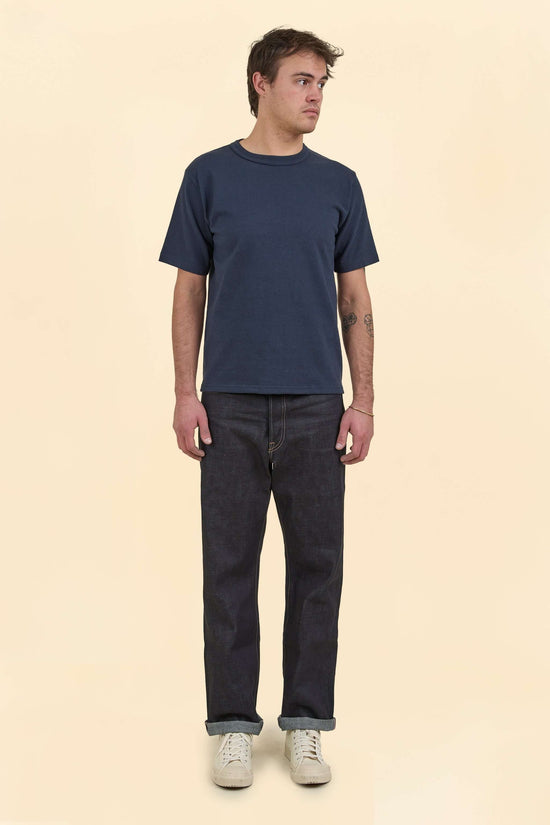
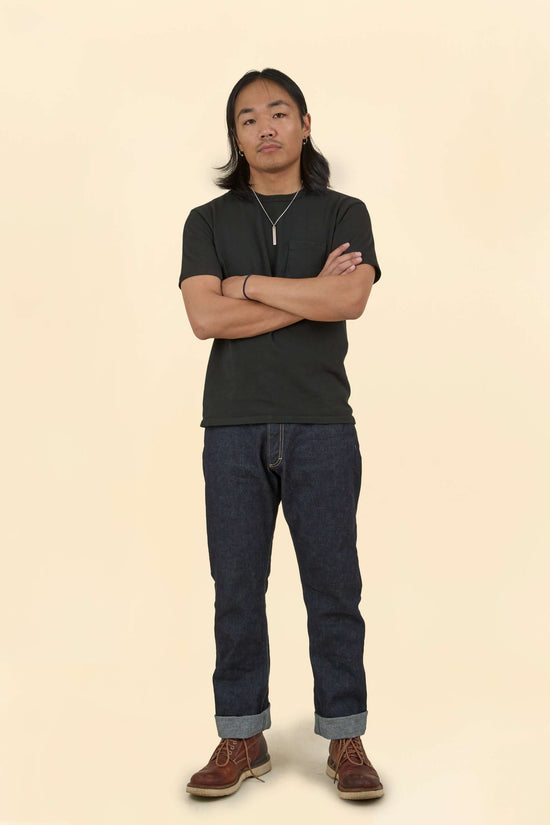
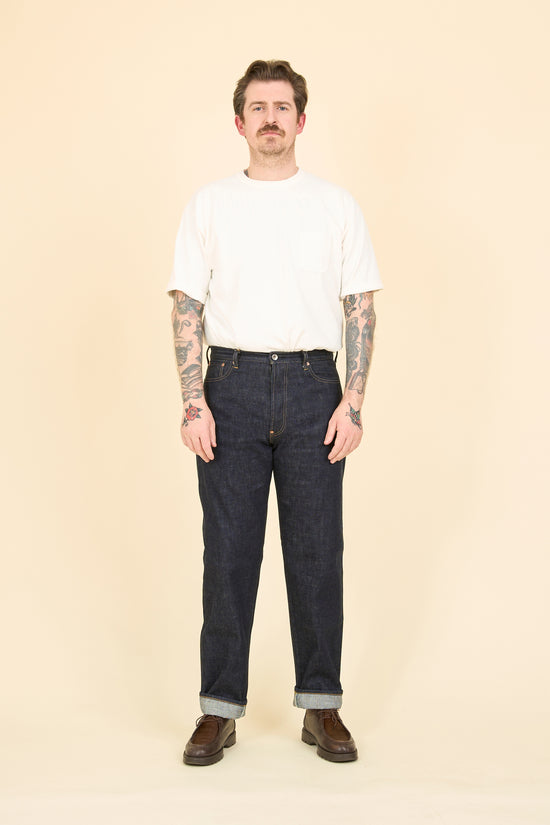
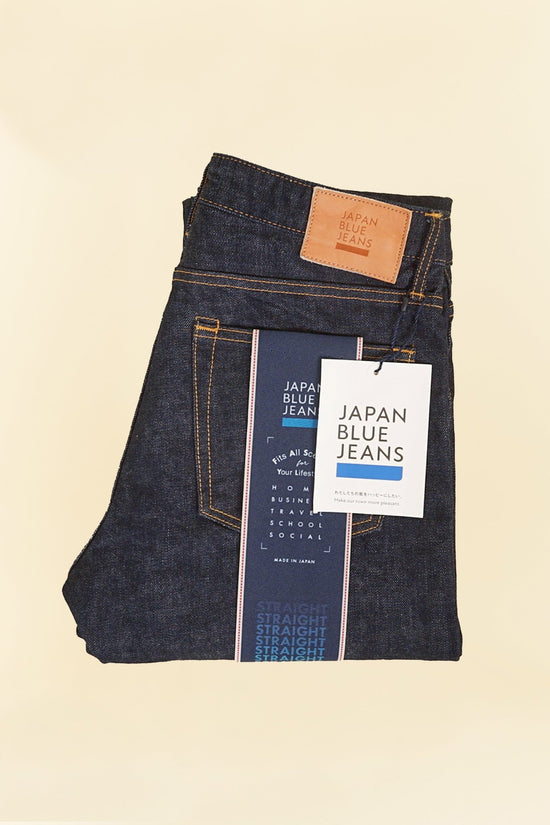
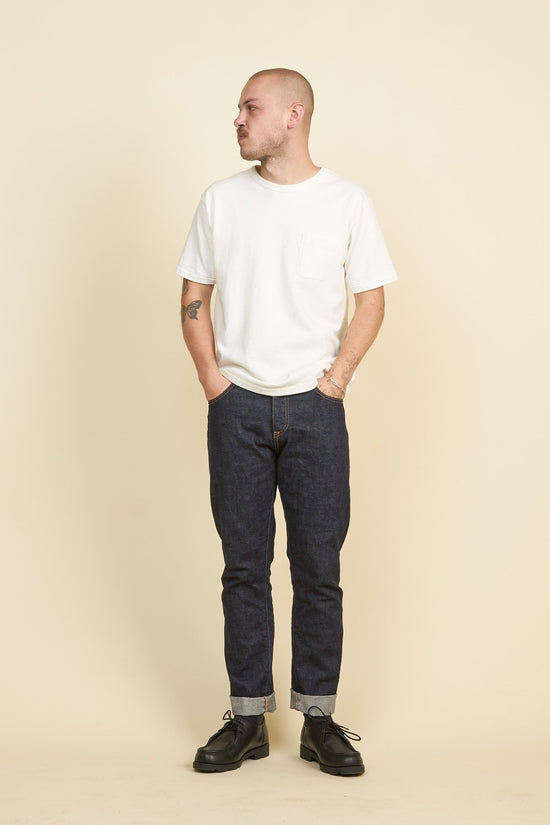
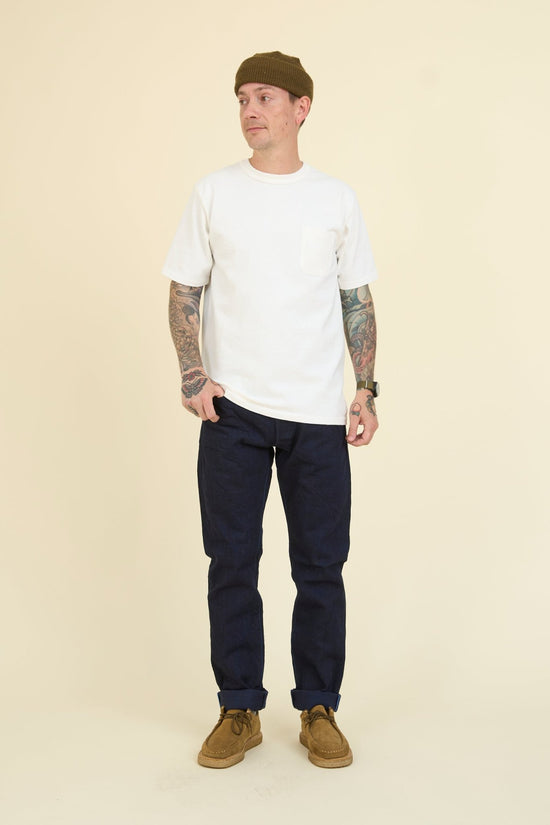
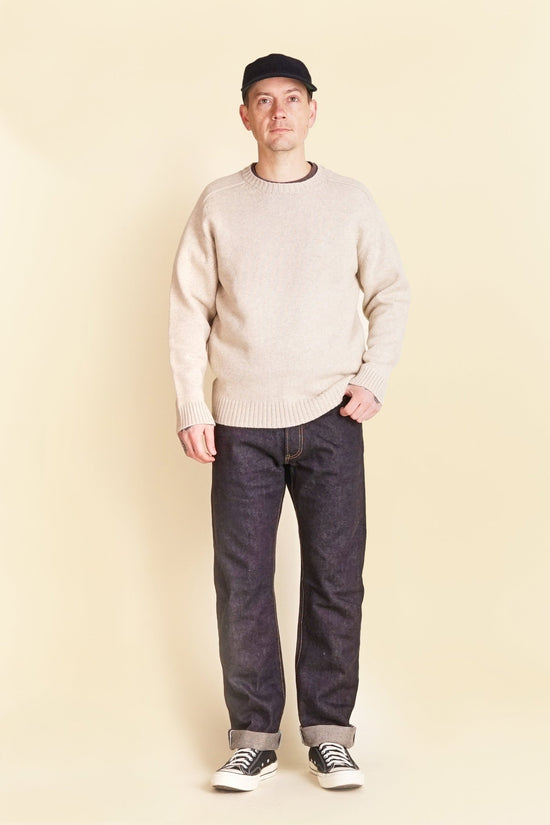
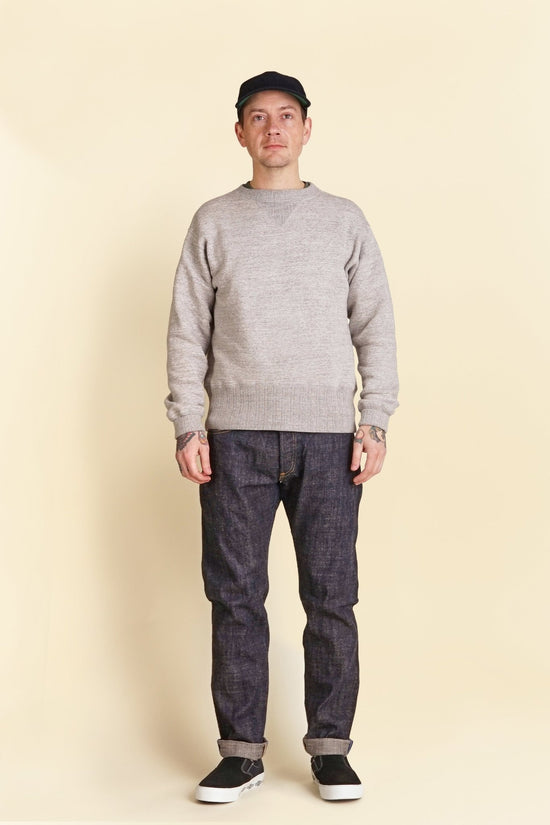
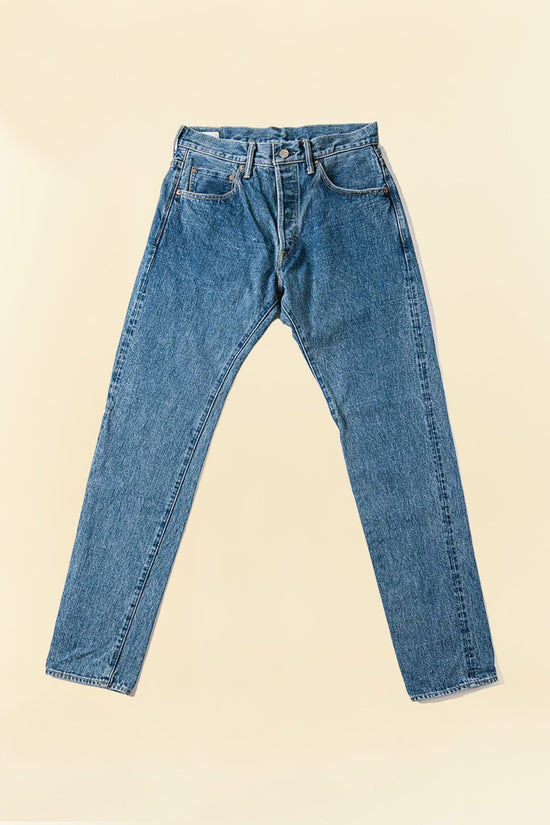
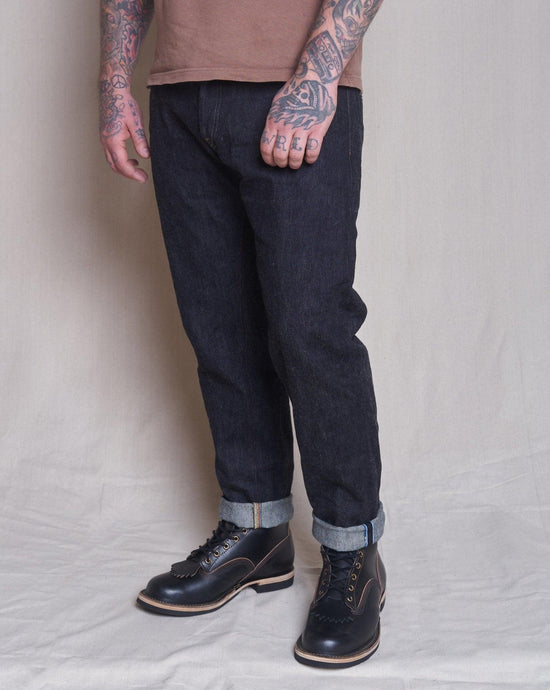
Straight fit jeans maintain a consistent leg width from thigh to hem. Tapered fit jeans are cut with more room in the thigh but narrow toward the knee and leg opening. Wide fit jeans are cut generously throughout the entire leg, sitting with a relaxed, open silhouette. All three share the same heritage in workwear but create very different looks and feels when worn.
Straight fit is the safest starting point. It is the most versatile cut, suits most body types, and is the closest to what most people have worn before. Once you are comfortable with how raw denim fits and fades, tapered and wide fits are worth exploring.
Tapered fits work well if you want a cleaner, more contemporary silhouette without going fully slim. They suit most builds but tend to look particularly good on those with a longer leg. The key measurement to check is the leg opening — anything under 16cm is considered a strong taper, while 17–19cm sits in a more relaxed tapered range.
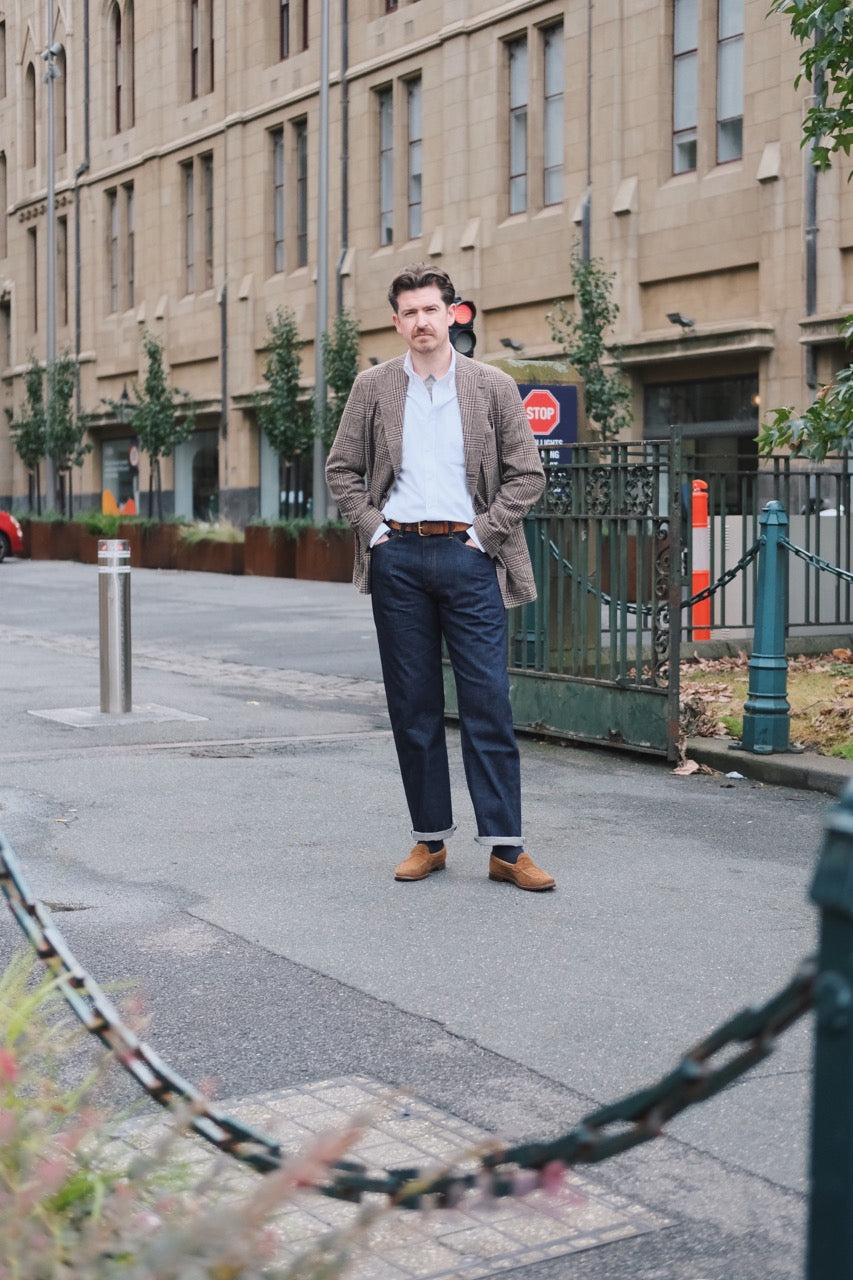
Not if you balance the proportions. Wide fit jeans pair well with fitted or tucked-in tops, structured jackets, and chunky footwear. The extra volume in the leg benefits from something more considered on top. Avoid oversized everything — the jeans are already doing the heavy lifting.
Yes. Straight fits tend to develop even, consistent fades across the leg. Tapered fits often show more pronounced fading at the thigh and knee due to the fabric pulling tighter in those areas. Wide fits fade more slowly and evenly because the fabric sits away from the leg, reducing friction. All three can produce excellent results — the pattern just differs.
Wide fits are typically cut with a higher rise and more room throughout, so sizing down at the waist is often worth considering. The extra volume in the leg means the waist is usually the better guide. If you are between sizes, try the smaller size first — you can always let the waist out slightly, but you cannot take in the leg without altering the silhouette.
Tapered fits handle heavier fabrics particularly well. The narrower leg opening helps manage the weight and structure of the cloth, preventing the leg from looking shapeless. Straight fits also work well in heavier weights. Wide fits in very heavy fabrics can be challenging to wear in warmer climates but look exceptional in cooler conditions — the drape of a 15oz wide fit in winter is hard to beat.
Lay the jeans flat on a surface and measure straight across the hem from seam to seam. Double that number to get the full circumference, or use the single measurement to compare against brand size charts, which typically list the half-measure. A straight fit usually sits between 18–22cm, a tapered fit between 14–19cm, and a wide fit from 22cm upward, though these ranges vary between makers.