
Graph Zero
6 items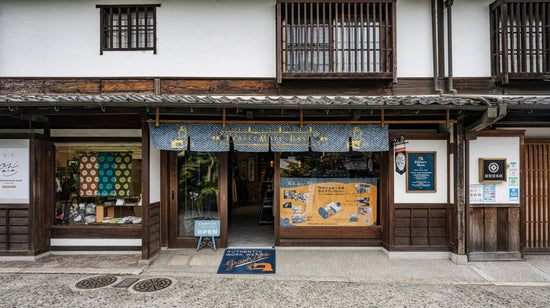
Japanese Selvedge Denim
50 items
Iron Heart
10 items
MOMOTARO JEANS
14 items
TCB Jeans
29 items
Tanuki Denim
5 items


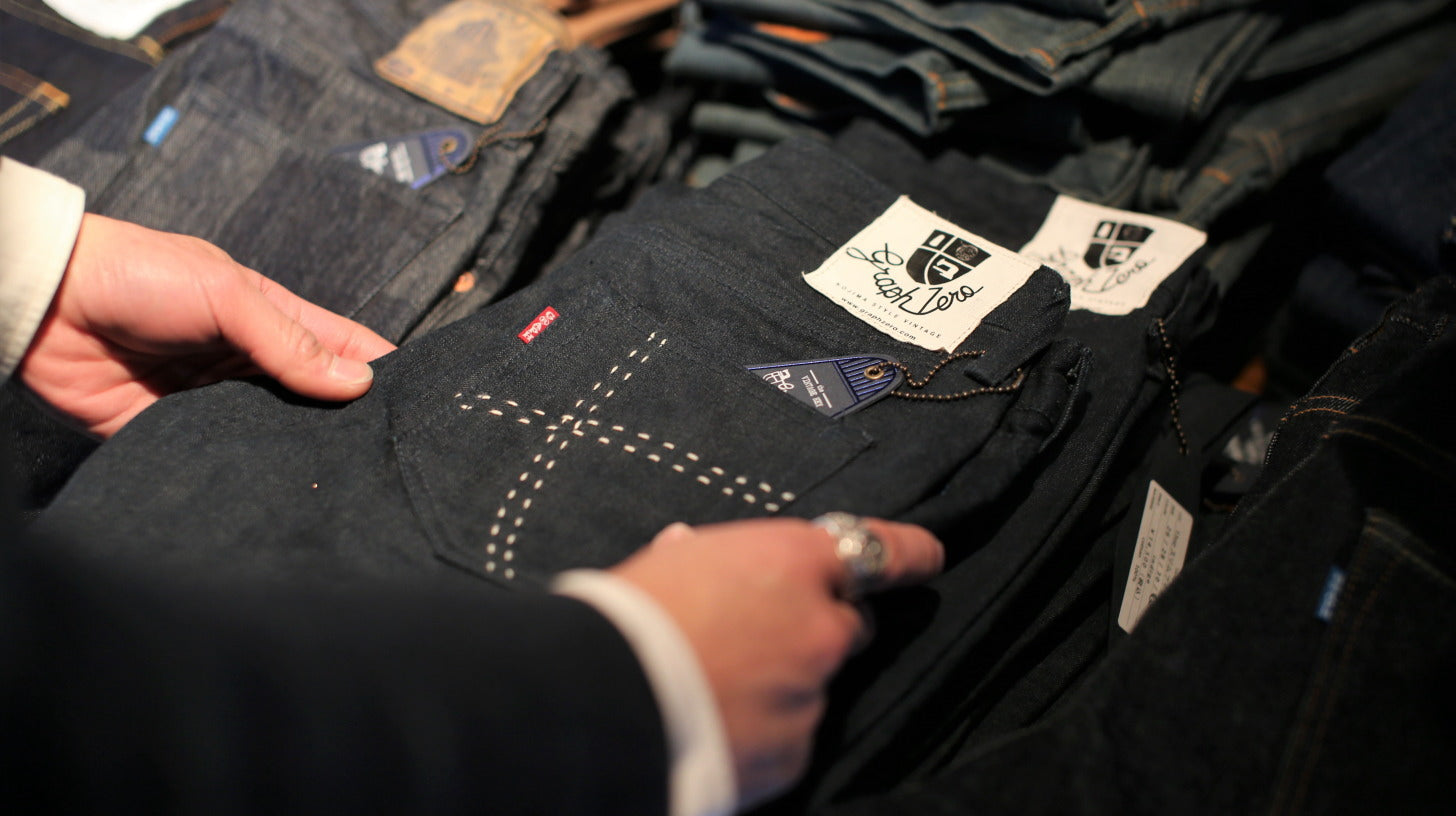
Graph Zero is made entirely in Kojima, Kurashiki — the city in Okayama Prefecture where Japanese denim manufacturing began in the late 1950s. The brand operates vertically: fabric is woven on-site on vintage shuttle looms, garments are cut and sewn in the same facility. Every stage from yarn to finished jean takes place in Japan.
Slub yarn is spun with deliberate inconsistencies — sections of thicker and thinner fibre along the thread's length. When woven into denim, these irregularities produce a textured surface with natural tonal variation. As the fabric fades, it does so unevenly, following the yarn's own contours. The result is a more complex, characterful fade than a uniform yarn would produce.
Nep yarn incorporates small knots or tufts of fibre — naturally occurring in raw cotton — that are spun deliberately into the thread rather than combed out. In woven denim, these appear as small flecks of undyed cotton against the indigo base, giving the cloth a subtle, heathered texture. Graph Zero's 15oz nep construction is unusual at that weight — most nep fabrics are lighter.
One-wash means the garment has been washed once after construction, stabilising the majority of the shrinkage the raw fabric would otherwise cause on first wash. Graph Zero's Heritage jeans are sized to their post-wash dimensions — you size to your actual waist measurement and do not need to account for shrinkage. The jeans will not change significantly in size after purchase.
Yes. The one-wash treatment stabilises shrinkage — it does not alter the indigo or change the fading behaviour of the cloth. Graph Zero's fabrics use ring-spun yarn with surface indigo dyeing, the same construction that produces high-contrast fades in unsanforized selvedge. The slub and nep constructions in particular will fade dramatically because the irregular yarn surface holds and releases indigo unevenly across the cloth.
Graph Zero's Heritage jeans are cut in a wide straight silhouette — high rise, full through the thigh, straight from knee to hem. This is a roomier, more relaxed shape than the tapered or slim cuts offered by Momotaro or TCB Jeans in their mainline ranges. If you usually wear a slim or tapered Japanese selvedge cut, the Graph Zero silhouette will read as a significant change. Check the waist and thigh measurements on the product page.
The jeans are cut long to accommodate a range of heights. Unless you are unusually tall, hemming is recommended — the wide straight silhouette reads best when the hem breaks cleanly at the shoe. Chain-stitch hemming preserves the original construction and allows the hem to develop roping fades over time. We offer chain-stitch hemming in-store.
Wash infrequently — the longer you go between washes, the more defined the fades. When you do wash, turn the jeans inside out, use cold water, and a gentle or denim-specific detergent. Machine wash on a delicate cycle or hand wash. Hang dry away from direct sunlight. The one-wash treatment means the first wash will not produce significant shrinkage or colour loss, but the indigo will lighten gradually with each subsequent wash.
All three are Japanese selvedge denim brands made in Okayama, using vintage shuttle looms, with strong fading potential. The differences are in emphasis. Iron Heart prioritises weight and durability — their 21oz and 25oz fabrics are among the heaviest in the market. Momotaro emphasises heritage construction and the established symbolism of the peach boy motif. Graph Zero's focus is the fabric itself — each construction is developed in-house from yarn and dye upward, producing cloths that are not available from any other brand. If fabric originality matters to you, Graph Zero is worth serious consideration alongside either.